Why Metal Fabrication Is Essential For Modern Industry
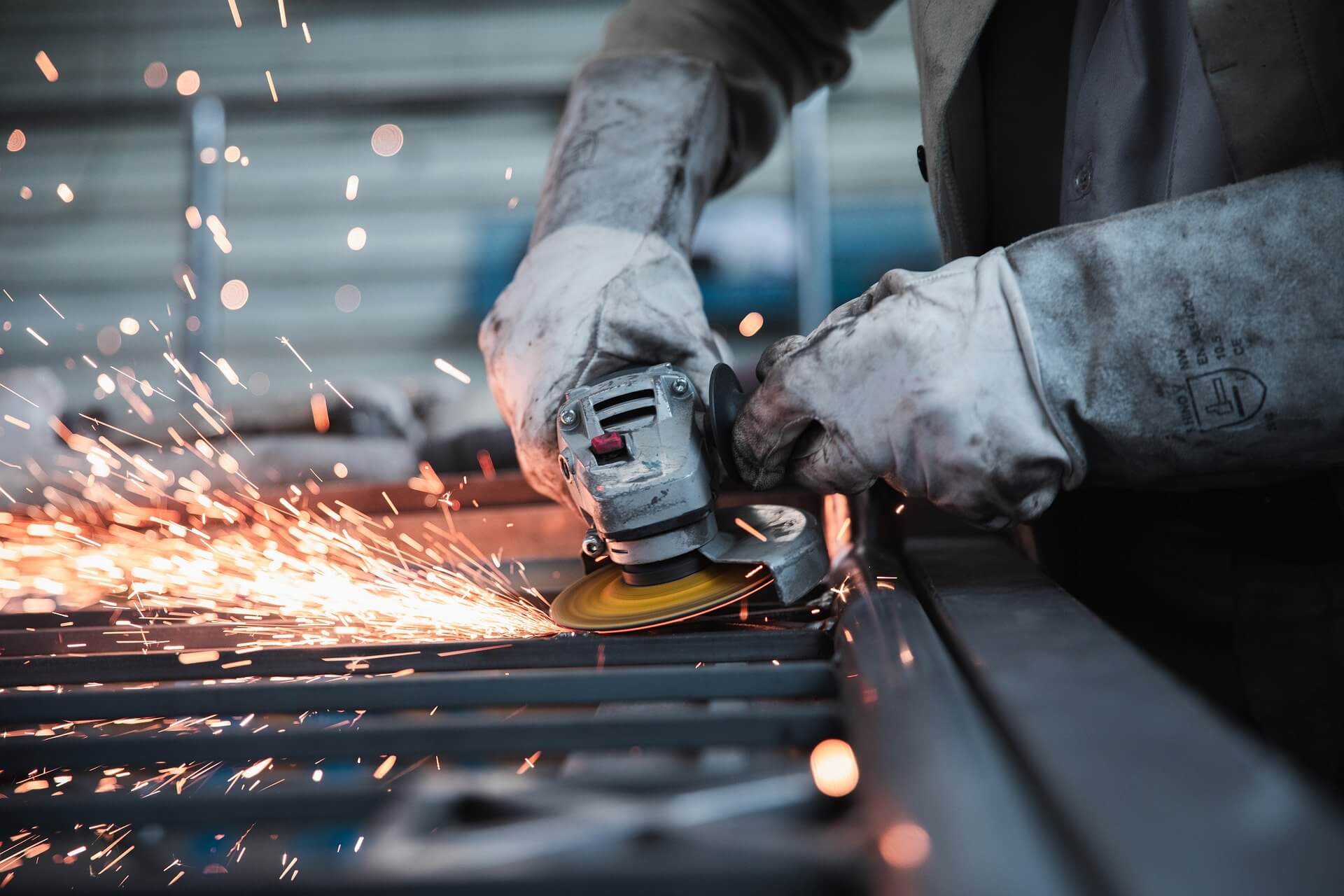
A modern manufacturing operation depends on more than advanced machinery. It needs strong, accurate, and dependable components that can perform under demanding conditions. That is where metal fabrication plays an important role. From structural frames to precision parts, a metal fabrication shop fl can help manufacturers turn raw materials into practical products built for specific applications. With the right fabrication approach, companies can improve product quality, control production requirements, and reduce costly problems.
What Is Metal Fabrication?
Metal fabrication is the process of turning metal materials into finished components or structures through several manufacturing techniques. Depending on the project, fabricators may cut, bend, weld, form, drill, or finish metal to achieve the required shape and specifications.
The process can involve materials such as steel, stainless steel, aluminum, and other metal alloys. Each material offers different characteristics, so manufacturers must select the appropriate option based on strength, weight, corrosion resistance, cost, and intended use.
Rather than relying on one standard manufacturing method, fabrication allows businesses to produce components according to specific requirements. This flexibility makes it useful across many industries, including construction, transportation, energy, agriculture, and industrial equipment.
Why Metal Fabrication Matters in Modern Manufacturing
Manufacturers face constant pressure to produce reliable products while controlling costs and meeting precise specifications. Fabrication helps address these challenges by providing practical ways to create components suited to individual production needs.
Supports Product Customization
Not every manufacturing project can use an off-the-shelf component. Some products require unusual dimensions, specific mounting points, specialized shapes, or particular material characteristics.
Custom fabrication allows manufacturers to create parts around those requirements. Instead of changing an entire design to accommodate a standard component, engineers can have a metal part produced to fit the original design.
This approach can be especially useful when developing prototypes, specialized machinery, replacement components, or limited-production products.
Improves Structural Strength
The quality of a finished product often depends on the strength of its individual components. Properly fabricated metal parts can provide the structural support required for demanding applications.
For example, fabricated steel frames may support industrial equipment, while welded assemblies can create strong connections between multiple components. Careful material selection and fabrication techniques help ensure that the finished part performs as intended.
Provides Accurate Components
Modern manufacturing often requires tight dimensional control. Even a small error in a component can create assembly difficulties, alignment problems, or reduced product performance.
Fabrication processes can use precise measurements, cutting equipment, forming machinery, and quality-control procedures to produce consistent components. Accuracy becomes particularly important when several fabricated parts must work together within a larger assembly.
Key Metal Fabrication Processes
Different projects require different fabrication methods. Understanding the main processes can help manufacturers select an approach that matches their production requirements.
| Fabrication Process | Primary Purpose | Common Manufacturing Use |
|---|---|---|
| Cutting | Separates metal into required sizes and shapes | Plates, brackets, panels, components |
| Welding | Joins metal pieces together | Frames, machinery, structural assemblies |
| Bending | Forms metal into specific angles | Enclosures, brackets, supports |
| Drilling | Creates accurate holes | Mounting components and assemblies |
| Forming | Shapes metal without removing significant material | Specialized parts and panels |
| Finishing | Improves surface characteristics | Corrosion protection and appearance |
Cutting and Forming
Cutting establishes the basic dimensions of a component, while forming gives the material its required shape. Depending on the material and specifications, manufacturers may use saws, shears, lasers, plasma systems, presses, or other equipment.
The goal is not simply to shape metal. The process must also maintain the dimensions and tolerances needed for the final application.
Welding and Assembly
Welding creates permanent connections between metal components. Skilled welding can produce strong joints while maintaining the required appearance and dimensions.
Fabricators may use different welding methods depending on material thickness, metal type, production volume, and application. Proper preparation and inspection are essential because weak or inconsistent welds can affect the reliability of the finished assembly.
How Fabrication Improves Production Efficiency
Efficiency is an important concern for manufacturers because delays and unnecessary rework can increase operating costs. Well-planned fabrication can help reduce these issues.
Reduces Unnecessary Rework
When components are produced according to accurate specifications, they are more likely to fit correctly during assembly. This reduces the need for repeated adjustments, modifications, or replacement parts.
Clear drawings, accurate measurements, appropriate tooling, and quality inspections can all contribute to smoother production.
Supports Repeatable Production
Manufacturers often need to produce the same component multiple times. A documented fabrication process helps establish consistent dimensions and production methods.
Once the specifications and procedures are established, fabricators can reproduce components with greater consistency. This is valuable for businesses producing equipment, assemblies, or replacement parts at regular intervals.
Helps Manage Material Use
Efficient fabrication also involves making sensible use of raw materials. Poor planning can result in excessive scrap, while accurate cutting layouts can help manufacturers use available material more effectively.
Reducing unnecessary waste can support better cost control and more responsible manufacturing practices.
The Role of Quality Control
Quality should be considered throughout the fabrication process rather than only at the end. A component that looks acceptable may still have dimensional, structural, or material-related problems.
Inspection and Measurement
Fabricators can inspect dimensions, welds, surface conditions, and other characteristics according to project requirements. Measurement tools and inspection procedures help identify problems before components move further into production.
For critical applications, manufacturers may also require documentation showing that parts meet specified standards or tolerances.
Material Selection
Choosing the right metal is another important quality consideration. Aluminum may be appropriate where low weight is important, while steel may be selected for applications requiring substantial strength.
Stainless steel can offer useful corrosion resistance in certain environments. The correct choice depends on the actual operating conditions rather than simply the material's general popularity.
Metal Fabrication for Custom Industrial Projects
Custom industrial projects frequently involve requirements that standard parts cannot satisfy. Fabrication provides manufacturers with greater design flexibility when developing these solutions.
For example, an industrial equipment manufacturer may need a custom frame that accommodates specific machinery dimensions. A fabricator can produce the frame based on engineering drawings, required measurements, load considerations, and installation requirements.
This flexibility can also benefit maintenance teams. When an older machine requires a discontinued or difficult-to-source component, custom fabrication may provide a practical replacement option.
How to Choose a Fabrication Partner
Selecting a fabrication provider requires more than comparing prices. Manufacturers should consider whether the shop has the capabilities, equipment, experience, and quality processes needed for the project.
Evaluate Technical Capabilities
Start by identifying the processes your project requires. These might include cutting, bending, welding machining, finishing, or assembly.
A suitable fabrication partner should have the equipment and technical knowledge needed to handle those requirements. It is also useful to ask whether the provider has experience working with the specific materials involved.
Review Quality Procedures
Ask how the fabricator manages measurements, inspections, welding quality, material verification, and final checks. A clear quality-control process can reduce the risk of receiving components that fail to meet specifications.
Documentation can also be important for projects involving regulated industries or strict customer requirements.
Consider Communication and Lead Times
Good communication can prevent misunderstandings about drawings, dimensions, materials, finishes, and delivery expectations.
Before production begins, both sides should have a clear understanding of the project specifications. Realistic lead-time discussions can also help manufacturers plan their own production schedules more effectively.
Practical Tips for Better Fabrication Results
Manufacturers can take several steps to make fabrication projects more efficient and predictable.
- Provide accurate drawings: Clear technical drawings reduce confusion during production.
- Define material requirements: Specify the metal type, thickness, grade, and finish where necessary.
- Explain the application: Sharing information about how the component will be used helps fabricators understand important performance requirements.
- Set acceptable tolerances: Clearly defined tolerances help prevent disagreements about dimensional accuracy.
- Discuss finishing requirements early: Painting, coating, polishing, or other treatments may affect production planning.
- Confirm quantities: Production volume can influence fabrication methods, scheduling, and pricing.
- Inspect samples when appropriate: Reviewing an initial component can identify issues before larger quantities are produced.
These simple steps can make communication easier and reduce avoidable production problems.
Industries That Depend on Metal Fabrication
Metal fabrication supports a wide range of manufacturing activities. Its flexibility allows it to serve both straightforward and highly specialized applications.
Construction and Infrastructure
Fabricated metal components are commonly used for structural supports, frames, brackets, railings, equipment housings, and other applications. Strength and dimensional accuracy are particularly important in these projects.
Transportation
Vehicle and transportation manufacturers require many metal components with specific shapes and performance characteristics. Fabrication can support the production of frames, brackets, panels, supports, and specialized assemblies.
Energy and Industrial Equipment
Energy facilities and equipment manufacturers often require durable components capable of operating in demanding environments. Fabrication can produce custom structures, enclosures, supports, and equipment components based on project specifications.
Agriculture and Machinery
Agricultural equipment frequently operates under harsh conditions. Fabricated metal parts can be designed around specific machines and applications, including replacement components that may not be readily available through standard suppliers.
The Long-Term Value of Quality Fabrication
The immediate goal of fabrication may be to produce a specific component, but its impact can extend throughout the product lifecycle. A properly designed and fabricated part can support reliable assembly, maintenance, and operation.
Quality fabrication may also simplify future repairs. When replacement components follow consistent specifications, maintenance teams can more easily identify and reproduce parts when necessary.
Most importantly, fabrication gives manufacturers control over how metal components are designed and produced. That control can be valuable when product requirements change or when standard components cannot meet a project's needs.
Conclusion
Metal fabrication remains an important part of modern manufacturing because it connects design requirements with practical, durable components. From cutting and forming to welding and finishing, each stage can influence the accuracy, strength, and reliability of the final product. Manufacturers can benefit from custom solutions, better material utilization, consistent production, and greater flexibility when they work with capable fabrication professionals. However, successful results depend on clear specifications, appropriate materials, reliable quality control, and good communication. By treating fabrication as an important part of the overall manufacturing process, businesses can create products and components that better match their performance, production, and long-term operational requirements.
FAQs
1. What is metal fabrication used for?
Metal fabrication is used to create, modify, and assemble metal components for products, machinery, structures, equipment, and industrial applications.
2. Why is metal fabrication important for manufacturers?
It allows manufacturers to produce components with specific dimensions, materials, shapes, and performance requirements instead of depending entirely on standardized parts.
3. What are the main metal fabrication processes?
Common processes include cutting, bending, forming, welding, drilling, and finishing. The appropriate combination depends on the project and material.
4. How does fabrication support product quality?
Accurate fabrication, appropriate material selection, skilled assembly, and quality inspections can help produce components that meet required specifications and perform reliably.
5. How should a manufacturer choose a metal fabrication company?
Manufacturers should consider technical capabilities, material experience, quality-control procedures, equipment, communication, production capacity, and expected lead times before selecting a provider.
Comments