Which Grocery Products Offer The Best Value For Money?
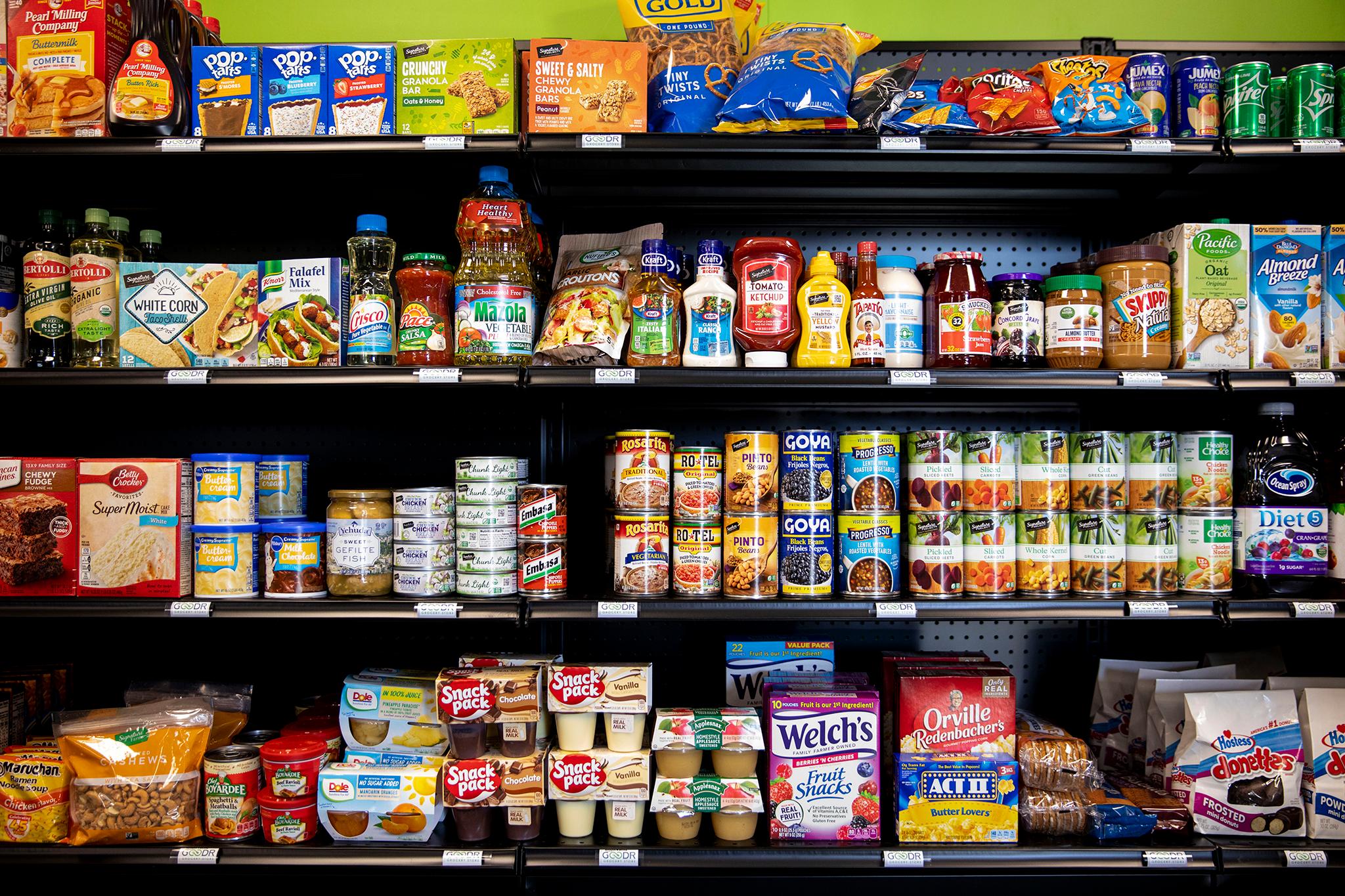
A well-planned grocery trip can make a significant difference in a household budget. Many shoppers spend more than necessary because they focus on brand names or convenience instead of overall value. Smart purchasing decisions help stretch every dollar further while still providing quality meals and essential household items. Many families comparing prices at Grocery stores in savannah ga often discover that value is not always about buying the cheapest product but choosing items that offer the greatest benefit for their cost.
Understanding Value Beyond Price
Many shoppers assume that the lowest-priced item automatically provides the best deal. However, true value comes from balancing price, quality, quantity, and usefulness. A product that lasts longer or delivers better nutrition may save money over time even if the upfront cost is slightly higher.
Comparing unit prices is one of the easiest ways to identify value. Looking at the cost per ounce, pound, or serving helps shoppers make accurate comparisons between products of different sizes and brands.
Pantry Staples That Deliver Long-Term Savings
Certain pantry products consistently provide excellent value because they have a long shelf life and can be used in multiple recipes. Keeping these items stocked reduces the need for expensive last-minute purchases.
Rice, pasta, dried beans, and oats remain among the most budget-friendly foods available. They can serve as the foundation for numerous meals while offering substantial nutritional benefits for families of all sizes.
Why Dry Goods Are Cost-Effective
Dry goods stay fresh for extended periods when stored properly. This reduces waste and allows shoppers to buy larger quantities when prices are favorable.
These products also pair well with proteins, vegetables, and seasonings. As a result, they create flexible meal options without requiring expensive specialty ingredients.
Frozen Foods Often Provide Better Value
Many consumers overlook frozen foods because they assume fresh products are always superior. However, frozen fruits and vegetables frequently offer equal nutritional benefits at a lower overall cost.
Frozen items are harvested and preserved at peak freshness. This process helps maintain nutrients while reducing spoilage, making them a practical choice for households trying to reduce food waste.
Best Frozen Products to Purchase
Several frozen items consistently provide strong value for shoppers:
- Mixed vegetables
- Berries
- Broccoli
- Spinach
- Chicken portions
- Fish fillets
These products can remain usable for months, giving families flexibility when planning meals throughout the week.
Store Brands Versus National Brands
One of the simplest ways to reduce grocery expenses involves choosing store-brand products. Many grocery stores offer private-label items that meet similar quality standards as national brands.
Store-brand products often come from the same manufacturers that produce well-known labels. The primary difference is usually packaging and marketing costs rather than product quality.
Products Where Store Brands Excel
Store brands often perform exceptionally well in categories such as:
- Flour
- Sugar
- Milk
- Eggs
- Canned vegetables
- Paper products
- Cleaning supplies
Testing a few store-brand options can reveal substantial savings over time without sacrificing quality.
Bulk Purchases That Make Financial Sense
Buying in bulk can lower the cost per unit and reduce shopping frequency. However, not every bulk purchase represents a good value. Selecting the right products is essential.
Items with long shelf lives generally provide the greatest benefit when purchased in larger quantities. Households should also consider storage space and actual consumption habits before making bulk purchases.
Smart Bulk Buying Choices
Products that often deliver excellent value when purchased in bulk include rice, pasta, canned goods, toilet paper, and household cleaning products. These essentials are used regularly and can be stored for extended periods.
Careful planning prevents overbuying and ensures that products are consumed before reaching their expiration dates.
Protein Sources With Strong Value
Protein is often one of the most expensive components of a grocery budget. Choosing affordable protein sources can dramatically reduce food costs while maintaining a balanced diet.
Eggs remain one of the most economical sources of high-quality protein. Similarly, canned tuna, beans, lentils, and chicken thighs provide substantial nutrition at a reasonable price.
Comparing Cost Per Serving
Evaluating protein options based on cost per serving rather than package price offers a clearer picture of value. Some premium products may appear attractive initially but deliver fewer servings than more affordable alternatives.
Planning meals around lower-cost protein sources can generate noticeable savings each month while still supporting nutritional goals.
Seasonal Produce Offers Better Returns
Fresh produce plays an important role in a healthy diet. Purchasing fruits and vegetables during their peak growing season often results in lower prices and better quality.
Seasonal products are usually more abundant, which helps keep costs down. Additionally, produce harvested closer to market often delivers better flavor and freshness.
How To Shop Seasonally
Learning which fruits and vegetables are in season throughout the year can improve grocery value significantly. Local promotions frequently highlight seasonal produce, making it easier to identify cost-effective choices.
Combining seasonal produce with frozen options creates a practical balance between freshness and affordability.
Canned Goods Worth Keeping On Hand
Canned foods offer convenience, affordability, and a long shelf life. They can help families prepare meals quickly while minimizing waste.
Many canned products maintain nutritional value and serve as reliable pantry staples. Choosing low-sodium or no-salt-added options can improve health benefits without increasing costs significantly.
Best Value Canned Products
Some of the most economical canned products include beans, tomatoes, corn, peas, and tuna. These ingredients work well in soups, casseroles, salads, and numerous other recipes.
Keeping a small inventory of canned goods allows families to create meals even when fresh ingredients are limited.
Dairy Products That Stretch Your Budget
Dairy products vary widely in price, making careful selection important. Certain dairy items provide greater value because they serve multiple purposes and remain useful for extended periods.
Large containers of yogurt, blocks of cheese, and gallon-sized milk purchases often cost less per serving than individually packaged alternatives.
Avoid Paying For Convenience
Single-serving packages may save time, but they usually increase the overall cost. Purchasing larger containers and portioning them at home often provides a better balance between convenience and affordability.
This simple habit can create meaningful savings over several months without requiring significant effort.
Household Essentials That Provide Consistent Value
Grocery trips often include more than food. Household essentials represent a significant portion of many shopping budgets, making value-focused purchasing especially important.
Comparing unit prices, selecting store brands, and purchasing larger sizes when practical can reduce expenses on everyday necessities.
Products Worth Buying Strategically
Paper towels, laundry detergent, dish soap, trash bags, and cleaning products often offer substantial savings when purchased during promotions. Monitoring sales cycles helps shoppers buy these items at lower prices.
Building a small reserve of frequently used products can prevent emergency purchases at higher prices later.
Shopping Habits That Increase Grocery Value
The products shoppers choose matter, but purchasing habits influence overall spending just as much. Small behavioral changes can lead to significant financial benefits.
Creating a shopping list before entering the store helps reduce impulse purchases. Reviewing weekly promotions and planning meals around discounted items also improves value.
Effective Money-Saving Strategies
Successful shoppers often follow several simple practices:
- Compare unit prices.
- Shop with a list.
- Buy seasonal produce.
- Choose store brands.
- Avoid shopping while hungry.
- Use loyalty programs.
- Plan meals in advance.
These habits support consistent savings while making grocery trips more efficient.
Conclusion
Finding the best value in grocery shopping requires more than choosing the lowest-priced item. Smart shoppers focus on quality, nutrition, shelf life, versatility, and cost per serving when evaluating products. Pantry staples, frozen foods, store-brand items, seasonal produce, and affordable protein sources consistently deliver strong value for households looking to manage expenses effectively. By combining thoughtful product selection with practical shopping habits, families can reduce waste, improve meal planning, and make their grocery budgets go further. Over time, these small decisions create substantial savings while maintaining a well-stocked kitchen and a balanced diet.
Comments