What Mistakes Should Be Avoided During Tile Installation?
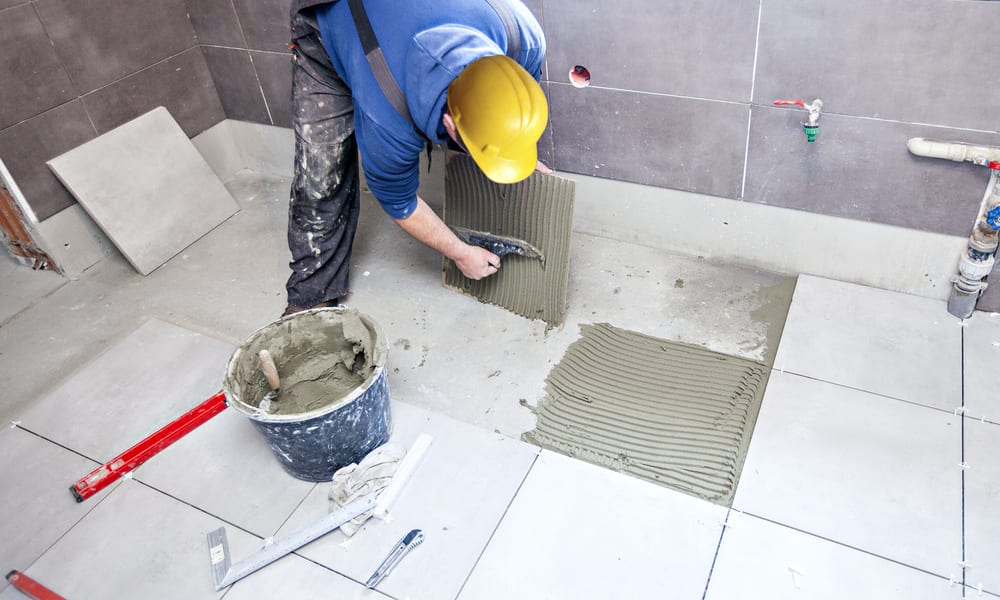
A beautifully tiled bathroom can increase property value and improve daily comfort, but even small installation errors can lead to costly repairs later. Many projects fail because important preparation steps are overlooked or rushed. Whether working on a residential renovation or a commercial construction project, understanding common mistakes is essential. Hiring a professional Bathroom tile installation service can help prevent problems, but knowing what to avoid remains equally important for achieving durable and attractive results.
Why Proper Tile Installation Matters
Tile installation is more than placing tiles on a surface and applying grout. Every stage, from preparation to finishing, affects the durability and appearance of the completed project.
Poor workmanship can cause loose tiles, uneven surfaces, water damage, and expensive maintenance. Construction professionals understand that quality installation protects both the structure and the investment for years to come.
Failing to Prepare the Surface Correctly
One of the most common mistakes in Bathroom tile installation is skipping proper surface preparation. Tiles require a clean, stable, and level substrate to perform well over time.
Dust, grease, moisture, or uneven surfaces can weaken adhesion. As a result, tiles may crack, shift, or detach after installation. Taking time to prepare the surface properly helps ensure a long-lasting finish.
Signs of Poor Surface Preparation
Several warning signs indicate inadequate preparation before installation:
- Uneven floor or wall surfaces
- Loose or damaged backer boards
- Visible dirt or debris beneath tiles
- Existing moisture problems
- Cracks in the substrate
Addressing these issues before installation significantly improves project outcomes.
Ignoring Moisture Protection Requirements
Bathrooms experience constant exposure to moisture. Water can penetrate behind tiles if waterproofing measures are not installed correctly.
Many installers assume that tile and grout alone create a waterproof barrier. In reality, waterproof membranes and moisture-resistant materials play a critical role in preventing structural damage.
Without adequate protection, mold growth, wood rot, and deterioration may occur behind finished surfaces. This issue often remains hidden until extensive repairs become necessary.
Choosing the Wrong Tile for the Application
Not all tiles are suitable for every location. A tile that performs well on a wall may not be appropriate for flooring.
Construction professionals should consider factors such as slip resistance, durability, water absorption, and traffic levels. Selecting the wrong material can create safety concerns and reduce the lifespan of the installation.
Factors to Consider When Selecting Tile
Several criteria should guide tile selection:
- Intended location
- Water exposure levels
- Surface traction requirements
- Load-bearing capacity
- Maintenance expectations
Matching tile characteristics to project requirements improves both performance and appearance.
Using Incorrect Adhesive Materials
Adhesive selection directly impacts tile stability. Different tile materials and installation environments require specific bonding products.
Using an unsuitable adhesive can cause tiles to loosen or crack over time. Manufacturers provide recommendations for compatible adhesives based on tile type and substrate conditions.
Ignoring these recommendations may compromise the integrity of the entire installation. Following product specifications helps ensure reliable adhesion.
Poor Layout Planning Before Installation
Rushing into installation without a layout plan often results in uneven cuts and unattractive tile patterns. A well-planned layout creates visual balance and minimizes material waste.
Professional installers typically establish reference lines before placing the first tile. This process helps maintain alignment throughout the project.
Careful planning also prevents narrow tile strips along walls and corners, which can negatively affect the finished appearance.
Inaccurate Measurements and Tile Spacing
Accurate measurements are essential for achieving a professional finish. Even minor calculation errors can create alignment problems that become more noticeable as installation progresses.
Consistent spacing between tiles is equally important. Uneven grout joints make surfaces look unprofessional and can affect structural performance.
Using tile spacers and checking measurements frequently helps maintain uniformity throughout the installation process.
Overlooking Expansion and Movement Joints
Buildings naturally expand and contract due to temperature changes, humidity fluctuations, and structural movement. Tile installations must accommodate this movement.
Failure to include expansion joints can lead to cracked grout lines, lifted tiles, and surface damage. Many installation failures result from inadequate movement accommodation rather than defective materials.
Professional installation practices account for expected movement while maintaining a clean appearance.
Applying Too Much or Too Little Adhesive
Adhesive coverage significantly affects tile performance. Insufficient coverage creates hollow spots that weaken support beneath the tile.
Excessive adhesive can also create problems. Uneven buildup may affect tile alignment and cause lippage between adjacent tiles.
Proper trowel selection and application techniques help achieve the recommended coverage for each project. Consistency is key to maintaining quality results.
Neglecting Tile Leveling Techniques
Uneven tile surfaces reduce both aesthetics and functionality. Lippage occurs when adjacent tile edges sit at different heights.
This issue becomes especially noticeable with large-format tiles and highly reflective surfaces. Poor leveling can also create tripping hazards in certain environments.
Modern leveling systems help installers maintain consistent surface alignment while the adhesive cures. These tools improve efficiency and enhance overall quality.
Rushing the Installation Process
Construction schedules can be demanding, but rushing tile installation often leads to avoidable mistakes. Each phase requires adequate time for proper completion.
Adhesives, waterproofing systems, and grout materials need sufficient curing periods. Skipping these waiting times may weaken the finished installation.
Patience during installation reduces the likelihood of callbacks, repairs, and warranty issues. Quality workmanship consistently delivers better long-term results.
Improper Grouting Practices
Grout serves both functional and decorative purposes. Incorrect application can affect the appearance and durability of the tile surface.
Some installers mix grout improperly or fail to clean excess material before it hardens. Others select grout types that are unsuitable for the project conditions.
Following manufacturer guidelines ensures proper consistency, application, and curing. Attention to detail during grouting enhances the overall finish.
Common Grouting Errors
Several mistakes frequently occur during the grouting stage:
- Using excessive water during mixing
- Applying grout before adhesive cures
- Leaving residue on tile surfaces
- Selecting inappropriate grout products
- Failing to seal grout when required
Avoiding these errors contributes to a cleaner and more durable installation.
Forgetting to Check Tile Alignment Frequently
Tile alignment should be monitored throughout the installation process rather than only at the end. Small deviations can quickly become significant problems.
Regular inspections help identify issues before they spread across large areas. Correcting alignment early is far easier than replacing completed sections.
Using straightedges, laser levels, and reference lines helps maintain accuracy from start to finish.
Ignoring Manufacturer Recommendations
Manufacturers invest significant resources in testing installation methods and product compatibility. Their guidelines are designed to maximize performance.
Ignoring recommended procedures can void warranties and increase the risk of failure. Every product, including tiles, adhesives, waterproofing systems, and grout, comes with specific instructions.
Following these recommendations helps ensure consistent and predictable results.
Failing to Inspect the Finished Installation
A final inspection is a crucial step that many installers overlook. Careful evaluation helps identify defects before the project is considered complete.
Inspectors should verify tile alignment, grout consistency, waterproofing details, and surface cleanliness. Addressing minor issues immediately prevents future complaints and repair costs.
Comprehensive quality control demonstrates professionalism and protects project outcomes.
Best Practices for Successful Tile Installation
Avoiding common mistakes becomes easier when installers follow proven industry practices. Consistency and attention to detail improve both efficiency and quality.
Successful projects typically include thorough planning, proper material selection, accurate measurements, effective waterproofing, and strict quality control procedures. These practices help create installations that remain attractive and functional for many years.
Conclusion
Tile installation requires precision, planning, and a strong understanding of construction best practices. Mistakes such as poor surface preparation, inadequate waterproofing, incorrect adhesive selection, and rushed workmanship can lead to costly failures. Construction professionals who prioritize proper techniques consistently achieve stronger and more durable results. Careful planning, adherence to manufacturer guidelines, and regular quality checks help prevent common issues before they occur. By avoiding these mistakes and maintaining high installation standards, contractors can deliver bathroom tile projects that provide lasting performance, improved aesthetics, and greater client satisfaction.
Comments