Many people understand that CPR can save lives, but they often do not know what happens during a CPR class. Some believe the training is difficult. Others assume it is only for healthcare workers.
The truth is that CPR training is designed for ordinary people. Parents, office workers, teachers, students, caregivers, and community members can all benefit from learning these skills.
Cardiac emergencies can happen anywhere. A person may collapse at work, at home, or in a public place. Knowing how to respond during those first few minutes can make a difference.
Understanding what happens during a CPR course can help people feel more confident about learning these important skills.
Learning To Recognize An Emergency
One of the first lessons in a CPR course is how to recognize a medical emergency.
Participants learn how to identify signs such as:
Unresponsiveness
Difficulty breathing
Sudden collapse
Abnormal breathing
Cardiac arrest
Recognizing these warning signs is important because quick action often improves outcomes.
Many people seek CPR AED certification Vancouver courses because they want to feel prepared when emergencies happen.
Understanding when to act is one of the most valuable parts of training.
Learning How To Call For Help
Emergency response begins with calling for help.
Participants learn:
When to call emergency services
What information to provide
How to communicate clearly
How to guide responders to the location
Clear communication can help emergency teams arrive quickly and understand the situation.
This step may seem simple, but it is an important part of emergency care.
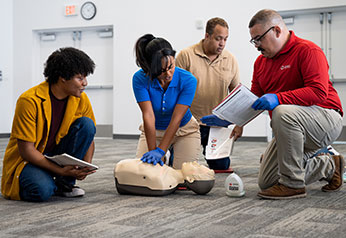
Practicing Chest Compressions
Chest compressions are one of the main skills taught during CPR training.
Participants practice:
Hand placement
Compression depth
Compression speed
Proper body position
Hands-on practice helps students build confidence.
The goal is to maintain blood flow to the brain and vital organs until professional help arrives.
Practice allows students to become comfortable with the technique.
Learning About Automated External Defibrillators
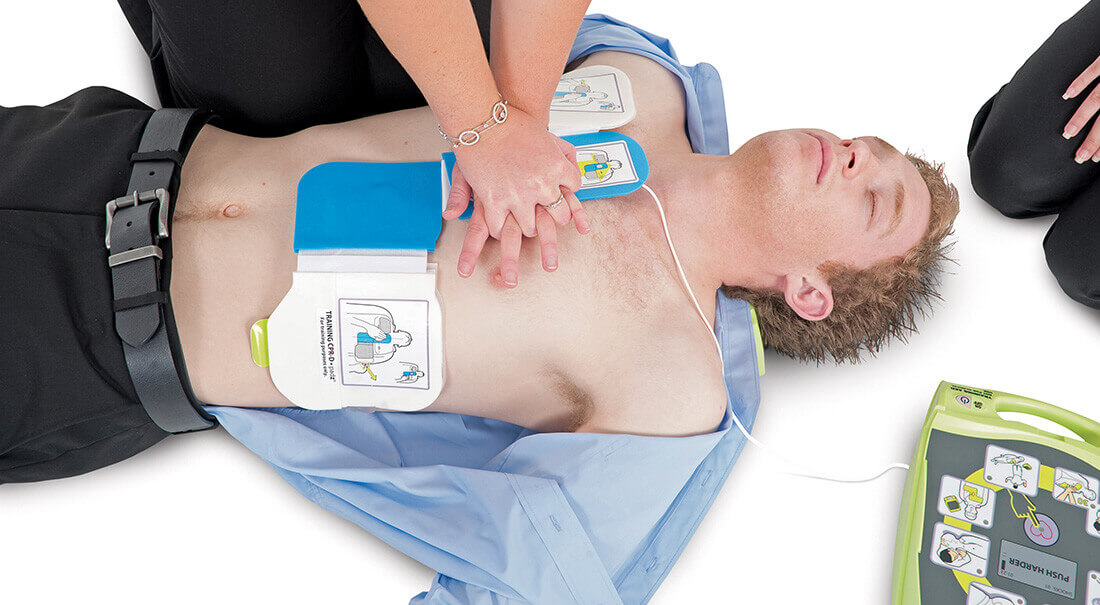
Many public places now have automated external defibrillators, also called AEDs.
These devices can be found in:
Offices
Schools
Airports
Community centers
Sports facilities
CPR courses teach students:
How AEDs work
When to use them
How to follow the device instructions
AEDs are designed to be user-friendly.
Training helps reduce fear and uncertainty.
Understanding Different Emergency Situations
CPR training often covers several types of emergencies.
These may include:
Adult cardiac arrest
Child emergencies
Infant emergencies
Breathing problems
Choking incidents
Participants learn how responses may differ depending on the situation.
This knowledge helps prepare people for real-life emergencies.
Building Confidence Through Practice
Many people worry that they will panic during an emergency.
Training helps reduce this fear.
Participants gain confidence through:
Demonstrations
Hands-on practice
Step-by-step instruction
Real-life scenarios
The goal is not perfection.
The goal is helping people feel ready to act.
Confidence often allows people to respond more effectively.
CPR Skills Help At Home
Many cardiac emergencies happen at home.
Family members are often the first people nearby when an emergency occurs.
CPR training can help people respond to:
Spouses
Parents
Children
Grandparents
Friends
Knowing what to do during the first few minutes may provide valuable support until emergency services arrive.
Prepared families often feel more secure.
These Skills Help In The Workplace
Employees may also use CPR skills at work.
Medical emergencies can happen in:
Offices
Retail stores
Warehouses
Schools
Public facilities
Workers who understand CPR can assist coworkers and visitors during emergencies.
Many employers encourage training because it improves workplace preparedness.
Prepared employees contribute to safer environments.
CPR Education Benefits Communities
Communities become stronger when more people understand emergency response.
Trained individuals may help:
Neighbors
Friends
Coworkers
Strangers
Community members
The more people who know CPR, the greater the chance that someone can respond during an emergency.
Every trained person contributes to public safety.
CPR Is Easier To Learn Than Many People Think
Some people avoid CPR courses because they believe the training will be difficult.
Modern CPR classes use simple teaching methods.
Students receive:
Clear instructions
Practical demonstrations
Guided practice
Instructor support
Most participants leave with greater confidence.
The skills are designed to be practical and easy to remember.
Learning CPR is often less intimidating than many people expect.
Why CPR Training Matters
Cardiac emergencies can happen without warning.
Immediate action may help:
Support blood circulation
Maintain oxygen flow
Improve survival chances
Provide valuable time
Emergency responders remain essential, but bystanders often provide the first assistance.
Prepared individuals can make an important difference.
Conclusion
CPR courses teach practical skills that help people respond during medical emergencies. Participants learn how to recognize emergencies, call for help, perform chest compressions, and use AEDs.
These skills benefit families, workplaces, and communities. They also help reduce fear and increase confidence during stressful situations.
Cardiac emergencies can happen anywhere and at any time. Learning CPR provides valuable knowledge that may one day help save a life.
Prepared people often become the first line of support when every minute matters.
Comments