What Factors Affect Rhinoplasty Results Over Time?
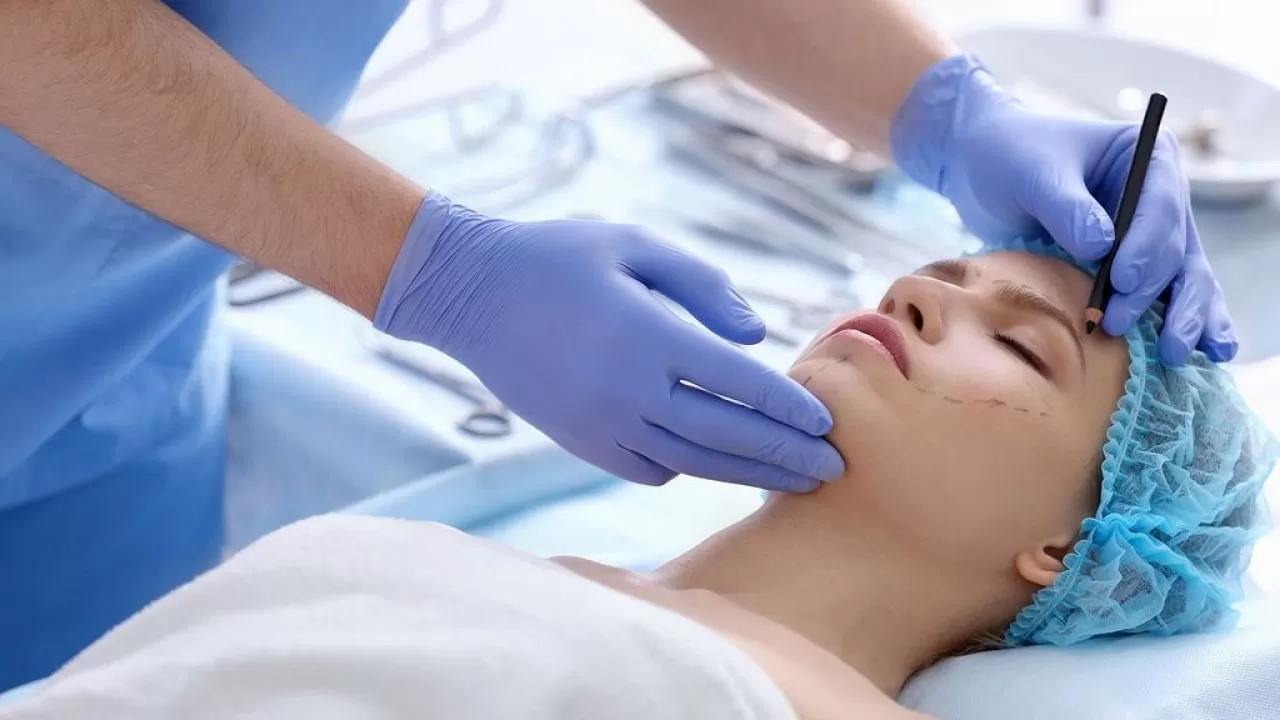
A successful nose surgery can improve facial balance and help patients feel more confident for years. However, the appearance of the nose continues to change as the body heals and ages. Many people considering rhinoplasty in utah want to know how long their results will last and what factors can influence their outcome. Understanding these factors helps patients set realistic expectations and make informed decisions before and after surgery.
Understanding How Rhinoplasty Results Evolve
Rhinoplasty is designed to create long-lasting improvements, but the final outcome is not visible immediately after surgery. The nose continues to heal and refine over many months, with subtle changes occurring during the recovery process.
Swelling gradually decreases, tissues settle into place, and the skin adapts to the new nasal structure. Although many patients see significant improvements within the first few months, complete healing can take a year or longer depending on the complexity of the procedure.
The Role of Surgical Technique
The skill and experience of the surgeon play a major role in determining long-term outcomes. A carefully planned procedure helps preserve nasal support while achieving the patient's cosmetic and functional goals.
Strong structural support reduces the risk of future changes that may affect the shape of the nose. Precise surgical techniques also help maintain proper airflow and minimize complications that could influence results over time.
Importance of Preserving Nasal Structure
The nose relies on cartilage, bone, and soft tissue working together to maintain its shape. Removing too much tissue can weaken support and lead to unwanted changes later.
Modern rhinoplasty techniques focus on reshaping while preserving essential structures. This approach often contributes to more stable and predictable long-term results.
Healing Patterns and Individual Biology
Every person heals differently. Genetics, skin thickness, age, and overall health all influence how the nose responds after surgery.
Patients with thicker skin may notice slower refinement because swelling can persist longer. Individuals with thinner skin often see details emerge more quickly, although both groups can achieve excellent outcomes with proper care.
Scar Tissue Formation
Scar tissue is a natural part of healing. Small amounts are expected after any surgical procedure and usually improve over time.
In some cases, excessive scar tissue can affect the appearance of the nose. Surgeons monitor healing closely and may recommend treatments if scar tissue begins to alter the final result.
Aging and Its Impact on the Nose
Even after a successful procedure, the nose continues to age along with the rest of the face. Skin loses elasticity, facial tissues shift, and cartilage naturally changes over the years.
These gradual changes do not mean the surgery has failed. Instead, they reflect the normal aging process that affects everyone. Most patients continue to enjoy the benefits of their procedure for many years despite these natural developments.
Skin Thickness and Long-Term Appearance
Skin thickness significantly influences how rhinoplasty results appear over time. Thick skin can soften definition, while thin skin may reveal small structural details more clearly.
Surgeons take skin characteristics into account during treatment planning. Matching surgical techniques to the patient's anatomy helps create balanced results that remain attractive as healing progresses.
Lifestyle Habits That Affect Results
Daily habits can have a lasting impact on surgical outcomes. Healthy lifestyle choices support proper healing and help preserve the appearance of the nose.
Some habits may accelerate aging or interfere with tissue health, potentially influencing long-term satisfaction.
Healthy Practices to Support Lasting Results
- Follow all post-operative instructions carefully.
- Avoid smoking and tobacco products.
- Maintain a balanced diet rich in nutrients.
- Protect the skin from excessive sun exposure.
- Attend all scheduled follow-up appointments.
- Stay physically active after receiving medical clearance.
These simple practices contribute to healthier tissues and support the stability of surgical results.
The Importance of Post-Operative Care
Recovery does not end when the procedure is complete. Proper aftercare plays a significant role in shaping the final outcome.
Patients who follow instructions regarding activity restrictions, medications, and follow-up visits often experience smoother healing. Consistent care allows the surgeon to identify and address concerns before they become larger issues.
Protecting the Nose During Recovery
The healing nose remains vulnerable for several weeks after surgery. Accidental bumps, pressure, or injuries can affect delicate tissues as they settle.
Patients should avoid contact sports, rough activities, and situations where the nose could be injured. Taking these precautions helps protect the surgical investment and supports optimal healing.
Trauma and Unexpected Injuries
A nose that has undergone surgery can still be affected by future injuries. Accidents, sports impacts, and facial trauma may alter the shape or function of the nose.
Prompt medical evaluation is important if an injury occurs. Early treatment may prevent further complications and help preserve the original surgical outcome.
Revision Procedures and Long-Term Changes
Although many patients are satisfied with their initial procedure, some may seek revision surgery. Reasons can include cosmetic concerns, breathing difficulties, healing irregularities, or changes that develop over time.
Revision rhinoplasty is generally more complex because scar tissue and altered anatomy must be considered. Choosing an experienced surgeon is especially important when addressing long-term concerns.
When a Revision May Be Considered
A revision procedure may be appropriate when a patient experiences persistent functional issues or remains dissatisfied after complete healing.
Most surgeons recommend waiting until healing is fully complete before evaluating whether additional surgery is necessary. This approach ensures that temporary swelling is not mistaken for a permanent concern.
Environmental Factors and Nasal Health
Environmental conditions can influence overall nasal health. Chronic allergies, air pollution, and repeated sinus infections may affect comfort and breathing quality after surgery.
Managing these conditions helps maintain nasal function and overall satisfaction. Patients should discuss persistent symptoms with their healthcare provider to ensure proper treatment.
Why Realistic Expectations Matter
One of the most important factors in long-term satisfaction is having realistic expectations from the beginning. Rhinoplasty can improve appearance and function, but it cannot create perfection.
Patients who understand the healing process and the natural changes that occur with aging often report greater satisfaction with their results. Clear communication between patient and surgeon helps establish achievable goals before surgery.
Choosing the Right Surgeon
The foundation of lasting results begins with selecting a qualified surgeon. Board certification, experience, patient reviews, and before-and-after photos can provide valuable insight into a surgeon's expertise.
A thorough consultation allows patients to discuss concerns, review treatment options, and understand potential outcomes. Investing time in choosing the right professional often leads to greater confidence and long-term satisfaction.
Conclusion
Rhinoplasty results are influenced by many factors, including surgical technique, healing patterns, skin thickness, aging, lifestyle choices, and post-operative care. While the procedure is designed to provide long-lasting improvements, the nose continues to evolve as the body changes over time. Patients who choose a skilled surgeon, follow recovery instructions carefully, and maintain healthy habits often enjoy stable and satisfying outcomes for many years. Understanding these influences allows individuals considering rhinoplasty to approach the process with realistic expectations and a greater appreciation for the journey from surgery to final results.
Comments