What Are The Risks Of Living With High Radon Levels Daily?
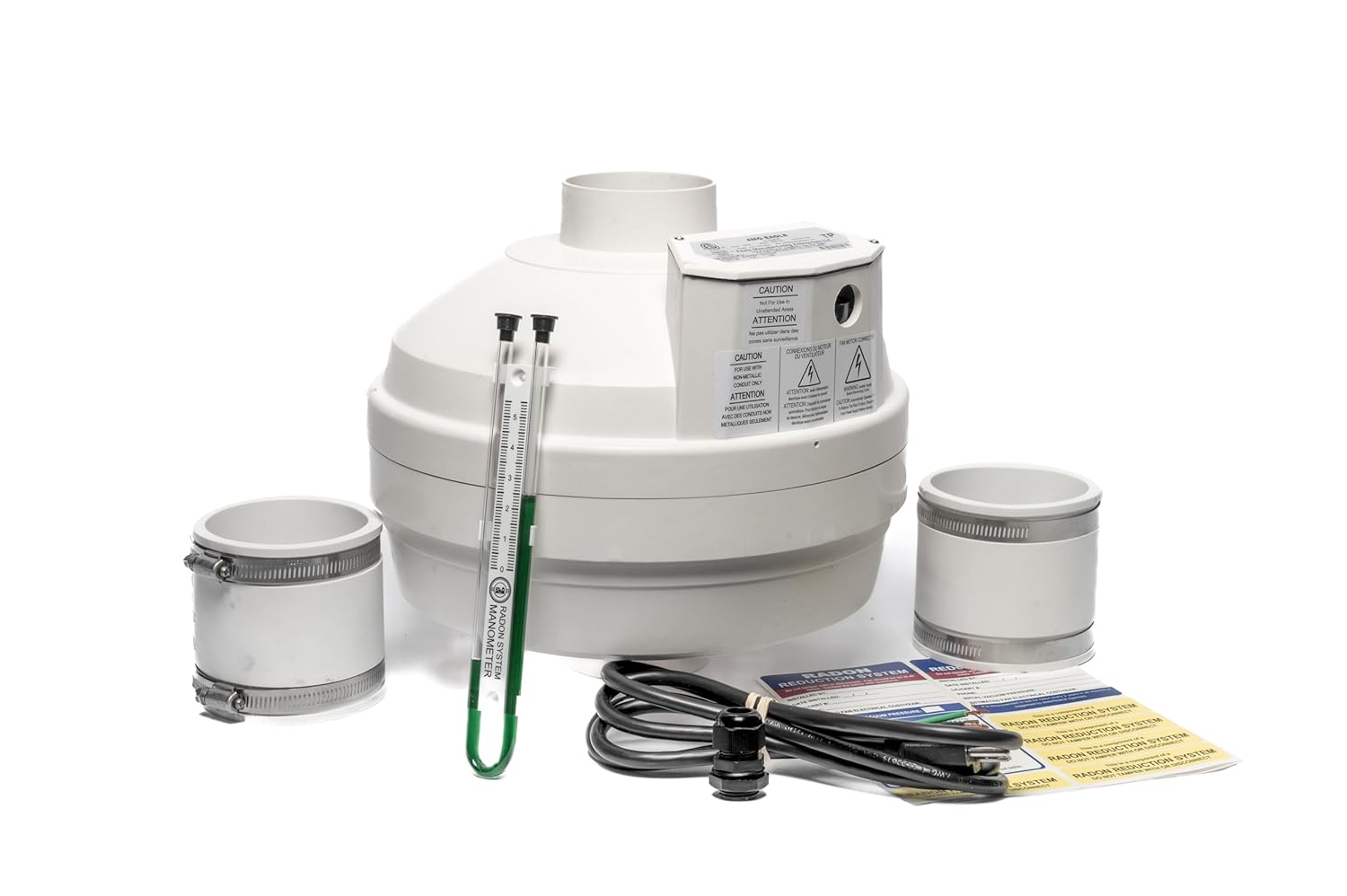
Radon is a hidden gas that can enter homes without any visible warning signs. Many people spend years living with elevated radon levels without realizing the potential impact on their health. Homeowners often focus on common indoor hazards, yet Amg eagle extreme radon fan systems and other mitigation tools exist because radon exposure remains a serious concern across the United States. Understanding the risks can help families make informed decisions and create a safer living environment.
What Radon Is and How It Enters Homes
Radon is a naturally occurring radioactive gas formed by the breakdown of uranium in soil, rock, and groundwater. It has no smell, taste, or color, making it impossible to detect without specialized testing equipment.
The gas can enter a home through foundation cracks, gaps around pipes, sump pumps, crawl spaces, and other openings. Once inside, it may accumulate to levels that pose health concerns, especially in homes with limited ventilation. Because radon can affect any property regardless of age or location, regular testing remains an important part of home maintenance.
Why Daily Exposure to High Radon Levels Is Dangerous
Living with elevated radon levels every day increases the amount of radioactive particles inhaled into the lungs. These particles can damage lung tissue over time, even when exposure occurs at moderate levels for many years.
Unlike some environmental hazards that produce immediate symptoms, radon-related health effects usually develop gradually. As a result, many individuals remain unaware of the danger until significant damage has already occurred. Continuous exposure creates cumulative risks that become more serious the longer a person lives in the affected environment.
The Link Between Radon and Lung Cancer
Health organizations recognize radon as one of the leading causes of lung cancer. It is considered the second leading cause of lung cancer overall and the leading cause among non-smokers.
Radioactive particles released by radon can become trapped in the lungs during breathing. Over time, these particles may damage cellular DNA and increase the likelihood of cancer development. The risk grows with both the concentration of radon and the length of exposure, making long-term daily exposure particularly concerning.
How Smoking Increases Radon-Related Risks
The combination of smoking and radon exposure creates a significantly greater health risk than either factor alone. Smokers who live in homes with high radon concentrations face a much higher chance of developing lung cancer.
Tobacco smoke already damages lung tissue and reduces the body's ability to repair cellular damage. Adding radon exposure further increases stress on the respiratory system. For this reason, testing and reducing radon levels should be a priority for households with smokers.
Health Effects Beyond Lung Cancer Concerns
Although lung cancer is the most well-known risk, long-term exposure to radioactive particles may affect overall respiratory health. Individuals exposed to elevated levels for extended periods may experience increased strain on lung function.
Research continues to evaluate additional health impacts associated with prolonged exposure. While lung cancer remains the primary documented concern, maintaining lower radon levels supports healthier indoor air quality and reduces long-term health uncertainties.
Why Children May Face Greater Vulnerability
Children spend substantial amounts of time indoors, especially during school years and colder seasons. Their developing bodies and faster breathing rates may increase their exposure to airborne contaminants.
Because radon-related damage occurs over time, exposure that begins during childhood may continue accumulating for decades. This long-term perspective makes early detection and mitigation especially important for families with young children.
Common Misconceptions About Radon Exposure
Many homeowners believe radon only affects older houses or homes with basements. In reality, elevated levels can occur in new homes, older properties, and buildings with various foundation types.
Another misconception is that homes without obvious air quality issues are automatically safe. Since radon is invisible and odorless, even a clean and well-maintained property may have elevated concentrations. Testing remains the only reliable method for determining actual levels.
Signs That a Home May Have Elevated Radon Levels
One of the challenges of radon exposure is the absence of immediate warning signs. Most people cannot detect the gas without specialized equipment.
Although there are no direct symptoms that specifically indicate radon presence, certain conditions may increase risk:
- Homes located in known radon-prone regions
- Properties with unfinished basements or crawl spaces
- Structures with foundation cracks
- Houses that remain tightly sealed throughout the year
- Buildings with poor ventilation patterns
Testing provides the most accurate assessment regardless of whether these conditions exist.
The Importance of Professional Radon Testing
Testing is the foundation of any effective radon management strategy. Homeowners can choose from short-term and long-term testing options depending on their goals and circumstances.
Professional testing often provides additional accuracy and expert interpretation of results. It can also identify areas where radon enters the structure, helping homeowners develop a more effective mitigation plan. Regular testing is particularly valuable after renovations, foundation repairs, or major changes to ventilation systems.
How Radon Mitigation Systems Reduce Exposure
Mitigation systems are designed to reduce radon concentrations before they become a health concern. These systems typically draw gas from beneath a building and vent it safely outside.
Many modern solutions incorporate specialized equipment, including an extreme radon fan, to maintain consistent airflow and improve system performance. Proper installation and routine maintenance help ensure the system continues operating effectively for years.
Components of an Effective Mitigation System
A successful mitigation setup usually includes several coordinated elements. Together, these components reduce radon entry and improve indoor safety.
Key components often include vent pipes, sealed foundation openings, monitoring devices, and a properly sized fan. Selecting quality equipment and working with qualified professionals can improve long-term results while reducing maintenance concerns.
Monitoring System Performance Over Time
Installing a mitigation system is only part of the process. Ongoing monitoring helps confirm that radon levels remain below recommended action thresholds.
Periodic testing verifies that equipment continues functioning correctly. Homeowners should also pay attention to maintenance recommendations, as neglecting system components can reduce overall effectiveness and allow radon levels to rise again.
Financial and Property Value Implications
High radon levels can influence real estate transactions and property values. Buyers increasingly request radon testing during inspections, and elevated readings may affect negotiations.
Addressing radon concerns before listing a property can improve buyer confidence and reduce delays during the sales process. Mitigation systems often demonstrate a commitment to home safety, which may support smoother transactions and stronger market appeal.
Practical Steps Homeowners Can Take Today
Reducing radon risk begins with awareness and action. Fortunately, homeowners can take several straightforward steps to protect their households.
Start by testing the home using a reliable radon test kit or professional service. Review results carefully and determine whether mitigation is necessary. Maintaining proper ventilation, sealing foundation openings, and scheduling follow-up testing can further improve indoor air quality.
Creating a Long-Term Radon Safety Plan
A long-term approach helps ensure ongoing protection. Homeowners should establish a schedule for periodic testing and system inspections.
Keeping records of test results, maintenance activities, and mitigation upgrades provides valuable information over time. This proactive strategy helps identify changes early and supports consistent indoor safety for current and future occupants.
Conclusion
Living with high radon levels every day can create serious long-term health risks, particularly regarding lung cancer. Because radon cannot be seen, smelled, or tasted, many households remain unaware of the danger until testing is performed. Fortunately, homeowners have effective options for identifying and reducing exposure through testing, mitigation systems, and regular monitoring. Taking action early can protect families, improve indoor air quality, and provide greater peace of mind. By understanding the risks and maintaining a proactive approach, homeowners can create a safer and healthier environment for years to come.
Radon is a hidden gas that can enter homes without any visible warning signs. Many people spend years living with elevated radon levels without realizing the potential impact on their health. Homeowners often focus on common indoor hazards, yet Amg eagle extreme radon fan systems and other mitigation tools exist because radon exposure remains a serious concern across the United States. Understanding the risks can help families make informed decisions and create a safer living environment.
What Radon Is and How It Enters Homes
Radon is a naturally occurring radioactive gas formed by the breakdown of uranium in soil, rock, and groundwater. It has no smell, taste, or color, making it impossible to detect without specialized testing equipment.
The gas can enter a home through foundation cracks, gaps around pipes, sump pumps, crawl spaces, and other openings. Once inside, it may accumulate to levels that pose health concerns, especially in homes with limited ventilation. Because radon can affect any property regardless of age or location, regular testing remains an important part of home maintenance.
Why Daily Exposure to High Radon Levels Is Dangerous
Living with elevated radon levels every day increases the amount of radioactive particles inhaled into the lungs. These particles can damage lung tissue over time, even when exposure occurs at moderate levels for many years.
Unlike some environmental hazards that produce immediate symptoms, radon-related health effects usually develop gradually. As a result, many individuals remain unaware of the danger until significant damage has already occurred. Continuous exposure creates cumulative risks that become more serious the longer a person lives in the affected environment.
The Link Between Radon and Lung Cancer
Health organizations recognize radon as one of the leading causes of lung cancer. It is considered the second leading cause of lung cancer overall and the leading cause among non-smokers.
Radioactive particles released by radon can become trapped in the lungs during breathing. Over time, these particles may damage cellular DNA and increase the likelihood of cancer development. The risk grows with both the concentration of radon and the length of exposure, making long-term daily exposure particularly concerning.
How Smoking Increases Radon-Related Risks
The combination of smoking and radon exposure creates a significantly greater health risk than either factor alone. Smokers who live in homes with high radon concentrations face a much higher chance of developing lung cancer.
Tobacco smoke already damages lung tissue and reduces the body's ability to repair cellular damage. Adding radon exposure further increases stress on the respiratory system. For this reason, testing and reducing radon levels should be a priority for households with smokers.
Health Effects Beyond Lung Cancer Concerns
Although lung cancer is the most well-known risk, long-term exposure to radioactive particles may affect overall respiratory health. Individuals exposed to elevated levels for extended periods may experience increased strain on lung function.
Research continues to evaluate additional health impacts associated with prolonged exposure. While lung cancer remains the primary documented concern, maintaining lower radon levels supports healthier indoor air quality and reduces long-term health uncertainties.
Why Children May Face Greater Vulnerability
Children spend substantial amounts of time indoors, especially during school years and colder seasons. Their developing bodies and faster breathing rates may increase their exposure to airborne contaminants.
Because radon-related damage occurs over time, exposure that begins during childhood may continue accumulating for decades. This long-term perspective makes early detection and mitigation especially important for families with young children.
Common Misconceptions About Radon Exposure
Many homeowners believe radon only affects older houses or homes with basements. In reality, elevated levels can occur in new homes, older properties, and buildings with various foundation types.
Another misconception is that homes without obvious air quality issues are automatically safe. Since radon is invisible and odorless, even a clean and well-maintained property may have elevated concentrations. Testing remains the only reliable method for determining actual levels.
Signs That a Home May Have Elevated Radon Levels
One of the challenges of radon exposure is the absence of immediate warning signs. Most people cannot detect the gas without specialized equipment.
Although there are no direct symptoms that specifically indicate radon presence, certain conditions may increase risk:
- Homes located in known radon-prone regions
- Properties with unfinished basements or crawl spaces
- Structures with foundation cracks
- Houses that remain tightly sealed throughout the year
- Buildings with poor ventilation patterns
Testing provides the most accurate assessment regardless of whether these conditions exist.
The Importance of Professional Radon Testing
Testing is the foundation of any effective radon management strategy. Homeowners can choose from short-term and long-term testing options depending on their goals and circumstances.
Professional testing often provides additional accuracy and expert interpretation of results. It can also identify areas where radon enters the structure, helping homeowners develop a more effective mitigation plan. Regular testing is particularly valuable after renovations, foundation repairs, or major changes to ventilation systems.
How Radon Mitigation Systems Reduce Exposure
Mitigation systems are designed to reduce radon concentrations before they become a health concern. These systems typically draw gas from beneath a building and vent it safely outside.
Many modern solutions incorporate specialized equipment, including an extreme radon fan, to maintain consistent airflow and improve system performance. Proper installation and routine maintenance help ensure the system continues operating effectively for years.
Components of an Effective Mitigation System
A successful mitigation setup usually includes several coordinated elements. Together, these components reduce radon entry and improve indoor safety.
Key components often include vent pipes, sealed foundation openings, monitoring devices, and a properly sized fan. Selecting quality equipment and working with qualified professionals can improve long-term results while reducing maintenance concerns.
Monitoring System Performance Over Time
Installing a mitigation system is only part of the process. Ongoing monitoring helps confirm that radon levels remain below recommended action thresholds.
Periodic testing verifies that equipment continues functioning correctly. Homeowners should also pay attention to maintenance recommendations, as neglecting system components can reduce overall effectiveness and allow radon levels to rise again.
Financial and Property Value Implications
High radon levels can influence real estate transactions and property values. Buyers increasingly request radon testing during inspections, and elevated readings may affect negotiations.
Addressing radon concerns before listing a property can improve buyer confidence and reduce delays during the sales process. Mitigation systems often demonstrate a commitment to home safety, which may support smoother transactions and stronger market appeal.
Practical Steps Homeowners Can Take Today
Reducing radon risk begins with awareness and action. Fortunately, homeowners can take several straightforward steps to protect their households.
Start by testing the home using a reliable radon test kit or professional service. Review results carefully and determine whether mitigation is necessary. Maintaining proper ventilation, sealing foundation openings, and scheduling follow-up testing can further improve indoor air quality.
Creating a Long-Term Radon Safety Plan
A long-term approach helps ensure ongoing protection. Homeowners should establish a schedule for periodic testing and system inspections.
Keeping records of test results, maintenance activities, and mitigation upgrades provides valuable information over time. This proactive strategy helps identify changes early and supports consistent indoor safety for current and future occupants.
Conclusion
Living with high radon levels every day can create serious long-term health risks, particularly regarding lung cancer. Because radon cannot be seen, smelled, or tasted, many households remain unaware of the danger until testing is performed. Fortunately, homeowners have effective options for identifying and reducing exposure through testing, mitigation systems, and regular monitoring. Taking action early can protect families, improve indoor air quality, and provide greater peace of mind. By understanding the risks and maintaining a proactive approach, homeowners can create a safer and healthier environment for years to come.
Comments