What Are The Best Daily Habits For Healthy Hair Care?
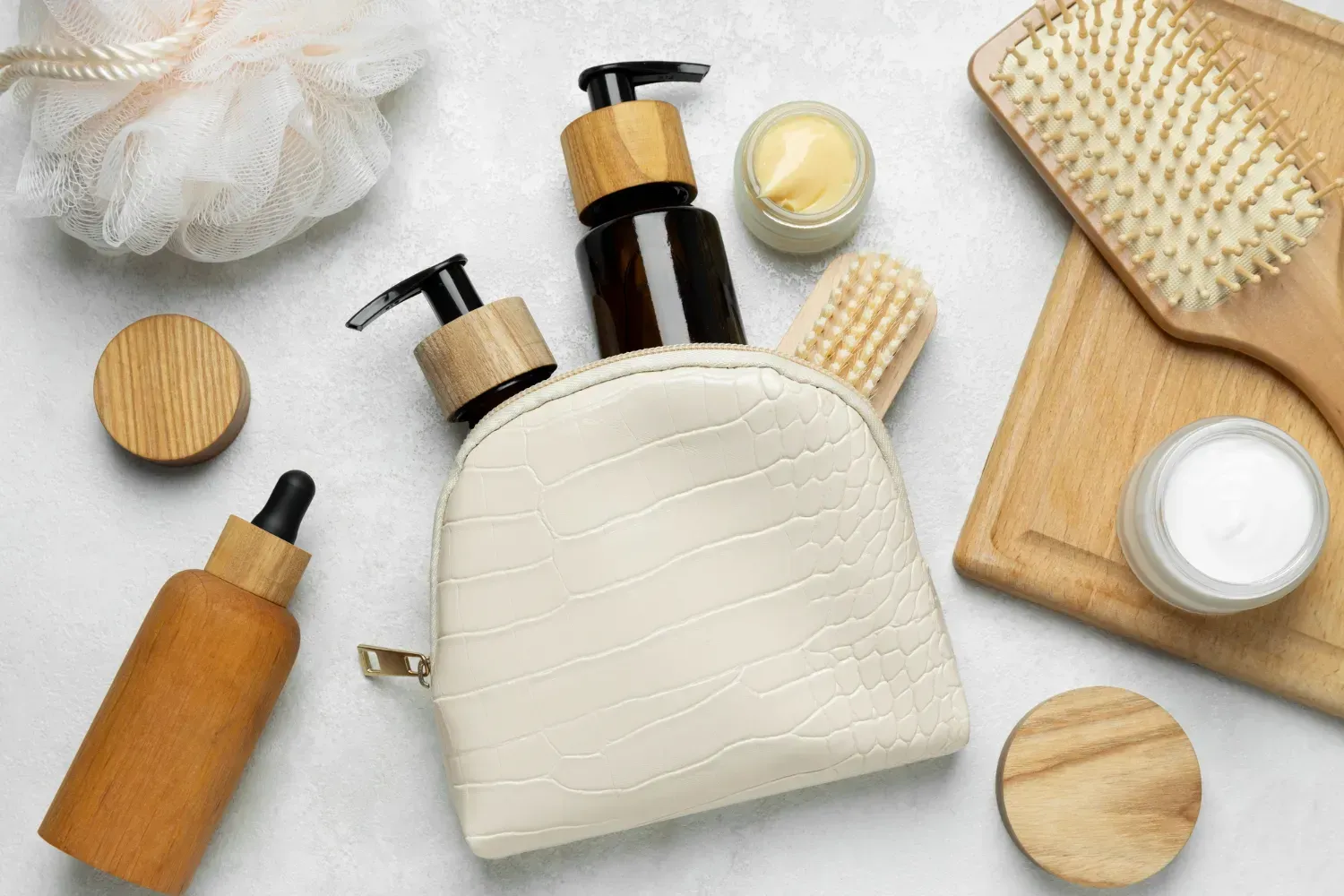
Great hair rarely happens by chance. The condition of your hair reflects the habits you follow every day, from how you wash and style it to the foods you eat. Consistent care can make a noticeable difference in strength, shine, and overall appearance. Using the right Healthy Hair Care Products alongside healthy routines helps protect your hair from damage and supports long-term growth. Small daily choices often create the biggest improvements over time.
Why Daily Hair Care Habits Matter
Hair faces many challenges throughout the day. Sun exposure, pollution, heat styling, and environmental stress can gradually weaken strands. Without proper care, hair may become dry, brittle, or prone to breakage.
Building healthy habits helps maintain moisture, reduce damage, and improve the appearance of your hair. Consistency is often more effective than occasional intensive treatments because hair responds best to ongoing care.
Keep Your Scalp Clean and Balanced
A healthy scalp creates the foundation for healthy hair. Excess oil, dirt, and product buildup can affect hair quality and lead to irritation.
Choose a shampoo suitable for your hair type. Washing too often may strip natural oils, while washing too little can allow buildup to accumulate. Finding the right balance helps keep your scalp comfortable and your hair looking fresh.
Signs Your Scalp Needs More Attention
- Persistent itching
- Excessive oiliness
- Flaking or dryness
- Hair appearing flat or lifeless
- Product residue buildup
Addressing these issues early can improve both scalp health and hair appearance.
Use the Right Hair Care Products
Not all products work equally well for every hair type. Selecting appropriate Hair Care Products helps support your specific needs.
For example:
- Dry hair benefits from moisturizing formulas.
- Fine hair often responds well to lightweight products.
- Curly hair may require extra hydration and definition.
- Color-treated hair needs protective ingredients.
Reading labels and understanding your hair type can help you make better product choices and avoid unnecessary damage.
Brush Hair Gently Every Day
Brushing helps distribute natural oils from the scalp throughout the hair. These oils provide natural conditioning and help maintain shine.
However, aggressive brushing can cause breakage and split ends. Use a brush designed for your hair type and start detangling from the ends before gradually working upward.
Best Brushing Practices
- Use a wide-tooth comb on wet hair.
- Avoid pulling through knots.
- Brush gently rather than forcefully.
- Clean brushes regularly.
- Replace damaged brushes when needed.
These simple habits can significantly reduce unnecessary stress on hair strands.
Stay Hydrated Throughout the Day
Water supports many bodily functions, including those that contribute to healthy hair growth. Dehydration may affect scalp health and contribute to dryness.
Aim to drink enough water daily based on your activity level and environment. While hydration alone will not transform hair overnight, it plays an important role in maintaining healthy conditions for growth.
Eat Nutrient-Rich Foods
Healthy hair starts from within. The nutrients you consume provide the building blocks needed for strong strands.
Focus on foods rich in:
- Protein
- Iron
- Zinc
- Biotin
- Omega-3 fatty acids
- Vitamins A, C, D, and E
Examples include lean meats, eggs, fish, nuts, seeds, leafy greens, and fruits. A balanced diet supports healthy hair growth and overall wellness.
Important Nutrients for Hair Health
Protein
Hair is primarily made of keratin, a type of protein. Insufficient protein intake may contribute to weaker hair.
Iron
Iron helps carry oxygen to hair follicles. Low iron levels can affect hair growth and strength.
Omega-3 Fatty Acids
These healthy fats support scalp moisture and may contribute to shinier hair.
Vitamin C
Vitamin C assists with collagen production and helps the body absorb iron more effectively.
Protect Hair from Heat Damage
Heat styling tools can cause significant damage when used excessively. High temperatures weaken the hair cuticle and increase the risk of breakage.
If you use blow dryers, curling irons, or flat irons regularly:
- Apply a heat protectant product.
- Use the lowest effective temperature.
- Limit heat styling frequency.
- Allow hair to air dry when possible.
Reducing heat exposure helps preserve hair strength and elasticity.
Avoid Tight Hairstyles
Ponytails, buns, and braids can be convenient, but excessively tight styles may place stress on hair follicles.
Repeated tension can contribute to breakage and even hair loss in some cases. Choosing looser styles helps reduce strain while still keeping hair manageable.
Hair-Friendly Styling Options
- Loose braids
- Low ponytails
- Soft buns
- Natural hairstyles
- Protective styles with minimal tension
Rotating hairstyles can also help prevent stress on the same areas of the scalp.
Use Conditioner Consistently
Conditioner helps restore moisture and smooth the hair cuticle. This makes hair easier to manage and reduces friction between strands.
Apply conditioner mainly to the mid-lengths and ends of your hair. These areas are typically older and more prone to dryness than the scalp area.
Consistent conditioning can improve softness, shine, and overall hair health.
Protect Hair While Sleeping
Many people overlook nighttime hair care, but sleep habits can influence hair condition.
Cotton pillowcases may create friction that contributes to tangling and breakage. Silk or satin pillowcases provide a smoother surface and can help reduce damage.
Nighttime Hair Care Tips
- Brush hair gently before bed.
- Avoid sleeping with soaking wet hair.
- Use a loose braid for long hair.
- Choose silk or satin pillowcases.
- Avoid tight hair ties overnight.
These small adjustments help protect hair during several hours of daily contact and movement.
Limit Chemical Treatments
Chemical processes such as coloring, bleaching, perming, and relaxing can weaken hair over time.
While these treatments can achieve desired styles, excessive use may increase dryness and breakage. Giving hair time to recover between treatments helps maintain healthier strands.
Working with experienced professionals and following proper aftercare recommendations can also reduce potential damage.
Manage Stress Effectively
Stress affects many aspects of health, including hair condition. Periods of high stress may contribute to increased shedding or changes in hair growth patterns.
Developing healthy stress-management habits can support overall wellness and potentially benefit hair health.
Consider activities such as:
- Regular exercise
- Meditation
- Deep breathing
- Reading
- Spending time outdoors
- Maintaining consistent sleep schedules
A healthier lifestyle often contributes to healthier hair.
Get Regular Trims
Many people avoid haircuts when trying to grow their hair longer. However, regular trims help remove split ends before they travel further up the hair shaft.
Trimming damaged ends helps maintain a healthier appearance and can reduce breakage over time. The ideal trimming schedule depends on your hair type and condition, but many people benefit from trims every few months.
Benefits of Regular Trims
- Fewer split ends
- Reduced breakage
- Improved appearance
- Better manageability
- Healthier-looking growth
Shield Hair from Environmental Damage
Environmental factors can affect hair every day. Sun exposure, wind, pollution, and extreme weather conditions may weaken hair and reduce moisture levels.
Protective measures include:
- Wearing hats outdoors
- Using UV-protective products
- Covering hair during harsh weather
- Rinsing hair after swimming
- Limiting exposure to pollutants when possible
These habits help preserve hair health throughout the year.
Build a Consistent Hair Care Routine
The most effective hair care strategy is consistency. A simple routine followed regularly often produces better results than complicated treatments used occasionally.
A practical daily routine may include:
- Gentle cleansing as needed.
- Conditioning for moisture.
- Careful brushing.
- Heat protection before styling.
- Proper hydration and nutrition.
- Scalp care and maintenance.
Small daily efforts can lead to significant improvements over time.
Conclusion
Healthy hair is the result of steady care rather than quick fixes. Daily habits such as maintaining a clean scalp, choosing appropriate Hair Care Products, eating a balanced diet, staying hydrated, and protecting hair from heat and environmental stress all contribute to stronger, healthier strands. Consistency remains the key to long-term success. By making thoughtful choices each day and addressing your hair's specific needs, you can improve its appearance, reduce damage, and support healthy growth. Over time, these simple habits create a foundation for hair that looks and feels its best.
Comments