Replacing your furnace is one of the most important investments you can make in your home. A new heating system can improve comfort, reduce energy costs, and provide reliable performance for many years. However, even the best furnace can underperform if the installation process is not handled properly.
Many homeowners focus only on the price of a new furnace. While cost matters, the quality of the installation is just as important. A poorly installed system can lead to uneven heating, higher utility bills, frequent repairs, and a shorter equipment lifespan.
If you are planning to replace your furnace, avoid these common installation mistakes.
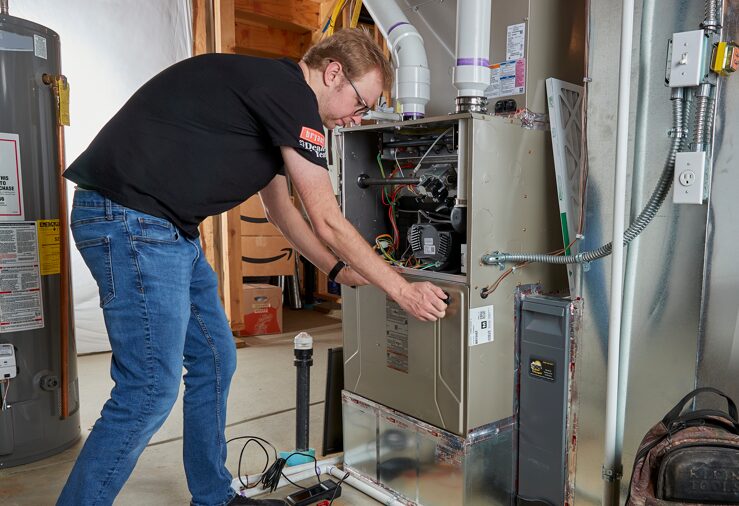
1. Choosing the Wrong Furnace Size
One of the biggest mistakes homeowners make is selecting the wrong size furnace.
A furnace that is too small may struggle to heat the home during colder months. On the other hand, an oversized furnace will cycle on and off too often. This wastes energy and places extra stress on the equipment.
Professional load calculations consider factors such as:
Home size
Insulation
Window placement
Ceiling height
Local climate
Proper sizing helps the system operate efficiently and maintain consistent temperatures throughout the home.
2. Focusing Only on the Lowest Price
Everyone wants to save money, but choosing the cheapest option is not always the best decision.
Lower-priced installations may use less experienced technicians or skip important steps that affect system performance.
Many homeowners researching furnace installation discover that quality workmanship provides better long-term value than simply choosing the lowest quote.
Investing in proper installation often reduces future repair costs and improves overall efficiency.
3. Ignoring Energy Efficiency Ratings
Modern furnaces come with different efficiency levels.
The AFUE (Annual Fuel Utilization Efficiency) rating measures how effectively a furnace converts fuel into heat.
Higher-efficiency systems often cost more initially, but they usually reduce monthly heating bills over time.
Choosing an efficient furnace can provide significant long-term savings while improving indoor comfort.
4. Overlooking Existing Ductwork
A new furnace cannot perform properly if the duct system has problems.
Leaks, damaged ducts, poor insulation, or restricted airflow can reduce efficiency even when a new furnace is installed.
Before installation, homeowners should have the ductwork inspected.
Repairing duct issues helps improve airflow, maintain even temperatures, and reduce wasted energy.
5. Hiring an Inexperienced Installer
The quality of installation has a direct impact on furnace performance.
Improper installation may result in:
Airflow problems
Gas connection issues
Electrical faults
Poor efficiency
Frequent repairs
Choosing experienced HVAC professionals helps ensure that the system is installed safely and according to manufacturer specifications.
Professional installation protects both the equipment and the homeowner's investment.
6. Skipping Thermostat Upgrades
Many homeowners install a new furnace but continue using an older thermostat.
An outdated thermostat may not provide the same level of efficiency or control as modern models.
Programmable and smart thermostats allow homeowners to:
Create heating schedules
Reduce energy use while away
Monitor energy consumption
Improve overall comfort
Pairing a new furnace with a modern thermostat helps maximize system performance.
7. Forgetting About Ventilation
Proper airflow is essential for safe furnace operation.
Blocked vents, poor ventilation, or incorrect vent pipe installation can affect efficiency and safety.
Professional installers inspect ventilation systems during installation to ensure they meet current building codes and manufacturer requirements.
Good ventilation also supports healthy indoor air quality.
8. Ignoring Future Maintenance
Installing a new furnace is only the beginning.
Regular maintenance helps protect the investment and keeps the system operating efficiently.
Routine service typically includes:
Replacing air filters
Inspecting burners
Cleaning components
Testing safety controls
Checking airflow
Annual maintenance reduces wear and helps identify small issues before they become major repairs.
Homeowners who schedule regular inspections often enjoy longer equipment life and fewer unexpected breakdowns.
Why Professional Installation Matters
A furnace is a complex heating system that requires careful installation.
Professional technicians ensure:
Proper equipment sizing
Safe gas and electrical connections
Balanced airflow
Correct thermostat setup
Manufacturer-recommended installation procedures
Attention to these details improves efficiency, comfort, and long-term reliability.
Professional installation also helps maintain warranty coverage for many manufacturers.
Questions to Ask Before Installation
Before choosing a contractor, homeowners should ask a few important questions.
These include:
Is the furnace properly sized for my home?
What efficiency rating do you recommend?
Will my ductwork be inspected?
What warranty is included?
Do you offer maintenance plans?
Asking these questions helps homeowners make informed decisions before installation begins.
Benefits of a Properly Installed Furnace
When installed correctly, a modern furnace offers many advantages.
These include:
Lower heating costs
Consistent indoor temperatures
Better airflow
Quieter operation
Improved energy efficiency
Longer equipment lifespan
A quality installation allows homeowners to enjoy the full benefits of their new heating system.
Conclusion
Replacing a furnace is a major investment that deserves careful planning. Avoiding common installation mistakes helps ensure your new system performs efficiently, safely, and reliably for years to come.
Choosing the right size, working with experienced professionals, inspecting existing ductwork, and planning for regular maintenance all contribute to better comfort and lower operating costs.
By focusing on quality installation instead of short-term savings alone, homeowners can protect their investment and enjoy dependable heating throughout every winter season.
Comments