The desert holds many secrets, but none are as mysterious and enchanting as the Queen of the Night Flower. Known for its rare, fleeting bloom that occurs only once a year and lasts just a single night, this extraordinary cactus flower has captured the imagination of botanists, nature lovers, and storytellers across generations. Its beauty, rarity, and symbolic significance make it one of the most fascinating wonders of the plant world.
In this article, we will explore the history, characteristics, cultural symbolism, and ecological importance of the Queen of the Night Flower, as well as why it continues to captivate people around the world.
What is the Queen of the Night Flower?
The Queen of the Night Flower is commonly associated with the species Selenicereus grandiflorus, a cactus native to the desert regions of Mexico, Central America, and parts of the Caribbean. The plant is known for its sprawling, vine-like stems and its spectacular blossoms that open only at night.
Unlike many flowers that bloom in the day to attract bees, the Queen of the Night has adapted to the desert environment by relying on nocturnal pollinators such as moths and bats. This unique adaptation makes its bloom not only rare but also ecologically significant.
The Rare Blooming Event
A Once-in-a-Year Phenomenon
One of the reasons the Queen of the Night Flower is so admired is its extremely rare blooming cycle. The plant produces massive, fragrant, white blossoms that measure up to 12 inches across, but this dazzling display happens just once a year. Even more astonishing is that the bloom lasts for only a single night, wilting by sunrise.
This ephemeral beauty has turned the Queen of the Night Flower into a symbol of transience and precious moments in life. Gardeners and enthusiasts often wait patiently for months, sometimes years, to witness the event.
Fragrance of the Night
The Queen of the Night Flower is not only visually striking but also intoxicatingly fragrant. Its sweet scent intensifies at night to attract pollinators from far distances. Many describe the fragrance as a mix of vanilla, jasmine, and gardenia—an aroma that lingers in memory long after the flower has faded.
Cultural Significance of the Queen of the Night Flower
Symbol of Beauty and Transience
Across different cultures, the Queen of the Night Flower is celebrated as a symbol of fleeting beauty. Its short-lived bloom is often compared to life’s most cherished moments—rare, beautiful, and ephemeral. In literature and poetry, it has been used as a metaphor for love, hope, and the passage of time.
Folklore and Legends
In Mexican and Central American folklore, the Queen of the Night Flower is often associated with moon goddesses and mystical powers. Some stories suggest that making a wish during its bloom brings good fortune, while others view it as a spiritual sign of renewal.
In Asian cultures, where similar night-blooming flowers are admired, it is often regarded as a symbol of luck and prosperity. Its association with night and mystery only deepens its mythical aura.
The Botanical Characteristics
Growth and Habitat
The Queen of the Night Flower belongs to the cactus family but looks very different from the spiny desert plants we commonly imagine. Its stems are long, thin, and climbing, often attaching themselves to trees or structures for support. In the wild, it thrives in arid and semi-arid regions, storing water in its stems to withstand harsh conditions.
Adaptations for Survival
Nocturnal Blooming: By blooming at night, the plant avoids the scorching desert sun and maximizes its chances of pollination.
Fragrance Release: The strong nighttime scent ensures pollinators such as sphinx moths and nectar-feeding bats can locate it easily.
Ephemeral Life Cycle: Though the flower’s life is short, this adaptation conserves the plant’s energy and ensures reproductive efficiency.
Ecological Importance
While admired for its beauty, the Queen of the Night Flower also plays an important role in desert ecosystems. Its blooms provide vital food sources for nocturnal pollinators, which in turn support the reproduction of many other plant species.
Bats, for instance, are crucial pollinators of the Queen of the Night. By feeding on its nectar, they help spread its pollen across wide areas, maintaining biodiversity in otherwise fragile environments.
Growing the Queen of the Night Flower at Home
Cultivation Tips
For those who wish to grow this rare cactus, it can be cultivated in containers or gardens in warm climates. Here are a few essential care tips:
Light: Bright but indirect sunlight is ideal. Too much direct sun can damage the stems.
Soil: Use well-draining cactus or orchid soil.
Watering: Allow the soil to dry between waterings to mimic desert conditions. Overwatering can cause root rot.
Support: Provide a trellis or support structure for its climbing stems.
Patience: Blooms may take several years to appear, but the wait is worth it.
Special Reward
When it finally blooms, the sight of the Queen of the Night Flower unfolding under the moonlight is a reward that few experiences in gardening can rival. Many plant lovers host midnight gatherings, known as “flower watch parties,” to celebrate the occasion.
Queen of the Night in Modern Culture
Today, the Queen of the Night Flower continues to inspire art, photography, and storytelling. Botanical gardens around the world often announce special viewing events when their cactus blooms, attracting large crowds eager to witness the rare spectacle.
The flower has also become a popular subject in painting and photography, symbolizing mystery, elegance, and the passage of time.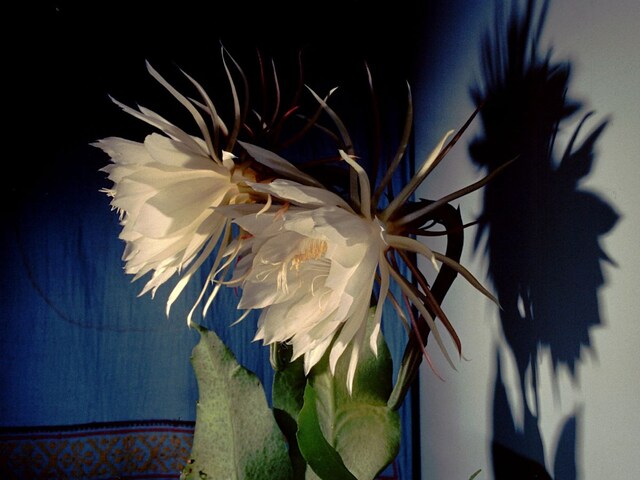
Conclusion
The Queen of the Night Flower is more than just a rare desert bloom—it is a living symbol of life’s fleeting beauty, the resilience of nature, and the magic hidden in the natural world. Its once-a-year blossoming is a reminder to cherish the rare and precious moments we encounter, for like the flower, they may only come once in a lifetime.
Whether admired in the wild deserts of Central America or grown patiently in a home garden, the Queen of the Night Flower continues to enchant with its fragrance, its elegance, and its timeless lesson: beauty is precious precisely because it is fleeting.
Comments