Taking your road test is a big moment. You may have spent weeks or months learning to drive. Now, you want to show that you can drive safely on your own. But as the test day gets closer, it is normal to feel nervous.
You may worry about making a small mistake, missing a road sign, or forgetting to check your mirrors. These thoughts can make it hard to focus. The good news is that you can take steps to feel more prepared.
A practice session before your road test can help you build skill and confidence. It lets you review key driving tasks, spot weak areas, and learn what to improve. With a clear plan, you can go into your test feeling calmer and more ready.

Why Do Drivers Feel Nervous Before a Road Test?
Road test nerves are common, especially for new drivers. A test can feel like a lot of pressure because you know someone is watching your every move.
Some drivers fear making a mistake. Others worry about traffic, parking, lane changes, or busy intersections. If you have not driven much in the test area, you may also feel unsure about what to expect.
Nerves can affect how you drive. You might rush through a turn, forget a mirror check, or focus so much on one task that you miss something else.
The aim is not to remove every feeling of worry. It is to learn how to manage it. Practice helps you turn driving tasks into habits, so you can focus on the road instead of trying to remember every step.
How a Practice Session Can Help
A practice session gives you time to review your skills before the test. It can also help you find problems that you may not notice on your own.
1. Find Out Which Skills Need Work
You may feel ready to drive, but some tasks may still need more practice. For example, you may turn well but forget to check your blind spot before changing lanes.
An instructor can watch how you drive and point out areas to improve. You can then work on those skills before test day.
This is more useful than practising without a clear goal. Each session should focus on the tasks that need the most attention.
2. Practise Common Road Test Skills
A road test checks whether you can drive safely and follow traffic rules. The exact tasks depend on the test and the examiner's instructions.
You may need to show that you can turn, change lanes, stop safely, obey signs, and share the road with others. Parking and other basic skills may also be part of the test.
Drivers who want extra support can consider road test preparation lessons in Regina to review their skills with a local driving school. Ask about the lesson format and which skills you can practise before your test.
3. Learn to Handle Mistakes Calmly
Many drivers worry that one small mistake will end their test. This fear can make them tense and less focused.
During a practice session, you can learn how to stay calm when something does not go as planned. If you miss a turn, for example, do not make a sudden move. Follow the road rules and continue safely.
A safe response matters more than trying to hide a mistake. Practice can help you think clearly and avoid making one error lead to another.
What Should You Practice Before Test Day?
Good practice should cover more than one skill. It should help you become a safe and aware driver.
Check Mirrors and Blind Spots
Make mirror checks part of every trip. Check your mirrors often, and look over your shoulder when needed to check a blind spot. Do this before changing lanes, turning where needed, or moving away from the curb.
These checks help you notice cars, bikes, and other road users nearby.
Follow Signs and Speed Limits
Pay close attention to stop signs, traffic lights, speed limits, and road markings. Come to a full stop where required. Watch for school zones and people crossing the road.
Do not drive too fast just because traffic behind you is moving quickly. Choose a safe speed for the road and weather.
Improve Parking and Turns
If parking makes you nervous, spend time practising it. Use slow, steady movements and check your surroundings. When turning, slow down early and look for people crossing the road.
Ask your instructor to explain any task that still feels unclear. It is better to work on a weak skill before the test than to hope it will go well on the day.
How to Prepare the Day Before Your Test
The day before your road test is not the time to learn every skill from the start. Use it to review what you already know and get ready for the next day.
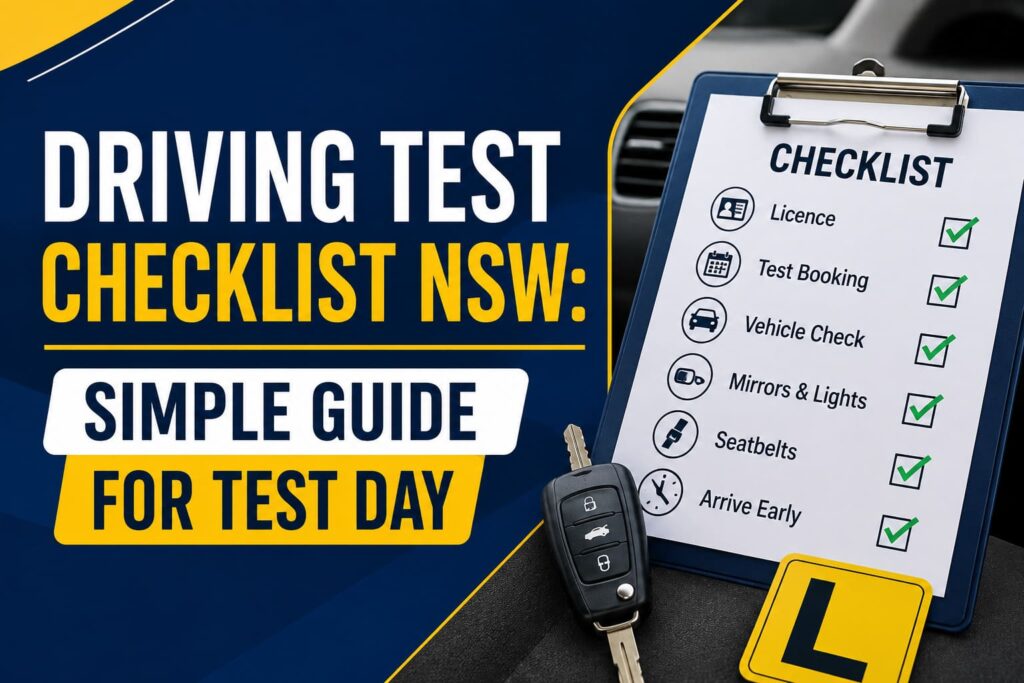
First, check your test time and location. Make sure you know how to get there and leave enough time for travel. Confirm what documents you need and that the vehicle meets the test rules.
Get enough sleep. Eat a normal meal, and avoid rushing in the morning. If you feel anxious, take a few slow breaths and remind yourself that the goal is to drive safely.
Avoid long practice sessions if they leave you tired. A short review of key skills may be more helpful than hours of driving without a plan.
What to Remember During the Road Test
Listen closely to the examiner's directions. If you do not hear an instruction, ask for it to be repeated. Do not guess or make a sudden move.
Keep checking your surroundings. Use your signals, follow signs, and leave enough space between your car and other vehicles. Drive at a safe speed and stay calm if traffic changes.
Remember that the test is not about being perfect. It is about showing that you can make safe choices and control the vehicle.
Conclusion
Feeling nervous before a road test is normal. But you do not have to face test day without a plan. A practice session can help you find weak areas, review key skills, and learn how to manage stress.
Start preparing early, practise with a clear goal, and ask for help when you need it. Get enough rest and give yourself time to reach the test location. Most of all, focus on safe driving rather than perfection. Good preparation can help you feel more confident and ready to take the next step.
Comments