Moulded Case Circuit Breakers: Features, Benefits, and Selection Guide
Electrical systems in commercial and industrial environments handle significantly higher power loads than residential installations. These systems require dependable protection devices that can safely interrupt fault currents and protect valuable equipment from electrical damage. A moulded case circuit breaker is specifically designed for these demanding applications, offering higher current ratings, adjustable protection settings, and reliable performance. While an electric MCB is commonly used for residential and light commercial circuits, understanding the differences between these protective devices helps ensure the right solution is selected for every electrical installation.
What Is a Moulded Case Circuit Breaker?
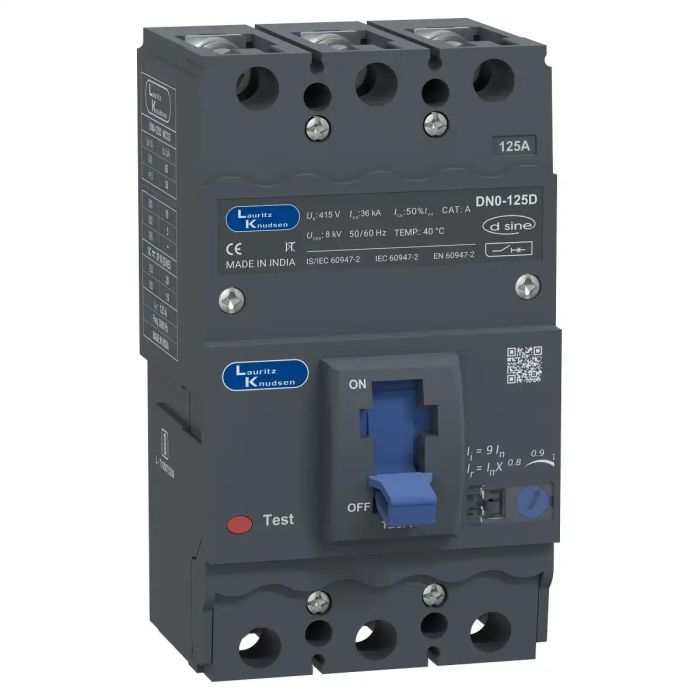
A moulded case circuit breaker (MCCB) is an automatic electrical protection device designed to safeguard circuits from overloads, short circuits, and electrical faults. It is enclosed in a durable insulated casing that protects its internal components while ensuring safe operation.
These circuit breakers are widely used in:
- Manufacturing facilities
- Commercial buildings
- Data centers
- Hospitals
- Shopping complexes
- Industrial plants
Their ability to handle higher current capacities makes them ideal for demanding electrical systems.
Why Moulded Case Circuit Breakers Are Important
Electrical faults can lead to equipment failure, production downtime, and safety hazards. Installing the right protection device helps minimize these risks.
A moulded case circuit breaker provides several important benefits:
- Protects electrical equipment from overloads
- Interrupts high fault currents safely
- Improves electrical system reliability
- Supports safe maintenance
- Reduces downtime caused by electrical failures
These advantages make MCCBs a critical component in modern power distribution systems.
Key Features of a Moulded Case Circuit Breaker
Modern MCCBs include advanced features that improve both safety and performance.
1. High Current Capacity
Unlike smaller circuit breakers, MCCBs are designed to protect circuits carrying much higher electrical loads.
They are commonly used for:
- Large motors
- Distribution panels
- Industrial machinery
- HVAC systems
- Heavy electrical equipment
2. Adjustable Trip Settings
One of the main advantages of a moulded case circuit breaker is the ability to adjust trip settings based on application requirements.
This flexibility allows better coordination between different protection devices within an electrical system.
3. High Breaking Capacity
MCCBs can interrupt large fault currents safely, helping prevent equipment damage during serious electrical faults.
4. Durable Construction
Their robust insulated enclosure provides protection against mechanical damage while improving long-term reliability.
Understanding an Electric MCB
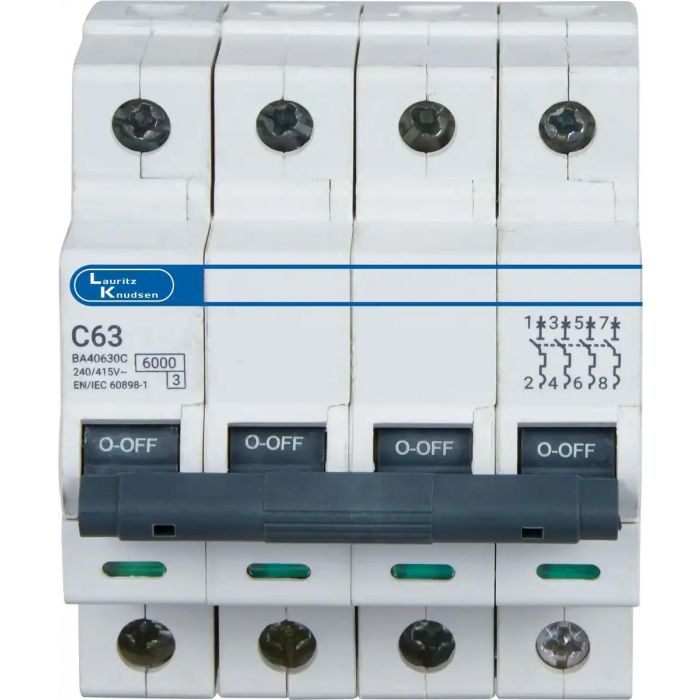
An electric MCB (Miniature Circuit Breaker) is another type of circuit protection device, primarily used in residential and light commercial installations.
It protects low-current electrical circuits such as:
- Lighting systems
- Power outlets
- Small appliances
- Household equipment
Unlike MCCBs, MCBs generally have fixed trip characteristics and lower current ratings.
Moulded Case Circuit Breaker vs Electric MCB
Although both devices provide circuit protection, they are designed for different applications.
| Feature | Moulded Case Circuit Breaker | Electric MCB |
| Current Capacity | High | Low to moderate |
| Trip Settings | Adjustable | Fixed |
| Breaking Capacity | High | Moderate |
| Typical Applications | Industrial and commercial | Residential and small commercial |
| Equipment Protection | Heavy electrical loads | Standard household circuits |
Understanding these differences helps ensure proper circuit protection.
Applications of MCCBs
MCCBs are widely used across multiple industries.
1. Manufacturing
Industrial facilities rely on MCCBs to protect:
- Production machinery
- Conveyor systems
- Compressors
- Large motors
2. Commercial Buildings
Commercial electrical systems use MCCBs for:
- Main distribution panels
- HVAC systems
- Elevators
- Emergency power systems
3. Healthcare Facilities
Hospitals require reliable protection for critical electrical infrastructure that supports medical equipment.
4. Data Centers
MCCBs help protect sensitive IT equipment while ensuring uninterrupted power distribution.
5. Infrastructure
Utilities, transportation systems, and water treatment facilities also depend on high-capacity circuit protection.
Factors to Consider When Choosing an MCCB
Selecting the correct breaker requires careful planning.
1. Current Rating
Choose a breaker that matches the expected operating current of the connected load.
2. Breaking Capacity
The breaker should safely interrupt the maximum fault current that may occur.
3. Voltage Rating
Ensure compatibility with the electrical system's operating voltage.
4. Trip Characteristics
Adjustable trip settings provide greater flexibility for industrial applications.
5. Installation Environment
Environmental factors such as dust, temperature, and moisture should be considered when selecting electrical equipment.
Benefits of Choosing the Right Protection Device
Proper circuit protection improves both safety and operational efficiency.
Some major benefits include:
- Reduced equipment damage
- Improved electrical safety
- Lower maintenance costs
- Longer equipment lifespan
- Better system reliability
- Reduced operational downtime
Selecting the correct protection device helps maintain smooth and uninterrupted operations.
Installation Best Practices
Correct installation is essential for safe and reliable operation.
Follow these recommendations:
- Conduct accurate load calculations.
- Select properly rated cables.
- Ensure secure electrical connections.
- Follow applicable electrical standards.
- Test breaker operation after installation.
- Schedule routine inspections.
Professional installation helps maximize both safety and performance.
Common Mistakes to Avoid
Avoid these common errors when selecting or installing circuit breakers:
- Choosing an undersized breaker
- Ignoring future load expansion
- Incorrect breaker coordination
- Skipping preventive maintenance
- Using an electric MCB where an MCCB is required
- Neglecting periodic testing
Proper planning helps prevent unnecessary electrical failures.
Maintenance Tips
Routine maintenance helps extend the service life of circuit breakers.
Recommended practices include:
- Inspect breakers regularly.
- Check for loose electrical connections.
- Clean electrical enclosures.
- Test trip mechanisms periodically.
- Replace damaged components promptly.
- Monitor system performance during scheduled inspections.
Preventive maintenance helps ensure dependable circuit protection over the long term.
Conclusion
A moulded case circuit breaker provides reliable protection for commercial and industrial electrical systems by handling higher current loads, offering adjustable trip settings, and safely interrupting fault currents. While an electric MCB remains an excellent choice for residential and light commercial applications, selecting the appropriate breaker depends on the electrical load and operating environment. With more than 70 years of expertise in electrical and automation solutions, Lauritz Knudsen Smartshop continues to deliver dependable products that support safe, efficient, and future-ready electrical systems across homes, businesses, industries, agriculture, and infrastructure.
Comments