Interstate Vehicle Shipping and Enclosed Car Shipping Methods
In today’s fast-paced and interconnected world, the demand for reliable vehicle logistics has grown exponentially. Whether individuals are relocating across the country, purchasing a vehicle from another state, or managing a fleet of commercial automobiles, ensuring safe and timely transport is paramount. The modern era of automotive logistics requires a deep understanding of transportation networks, regulatory requirements, and an unwavering commitment to vehicle safety. As logistical challenges become more sophisticated, traditional shipping methods are no longer sufficient. Companies and individuals must invest in professional transport planning and robust carriers to stay ahead of potential transit delays or damages. The journey towards a secure vehicle delivery begins with acknowledging the complexities of the current transport landscape and taking decisive action to mitigate risks.
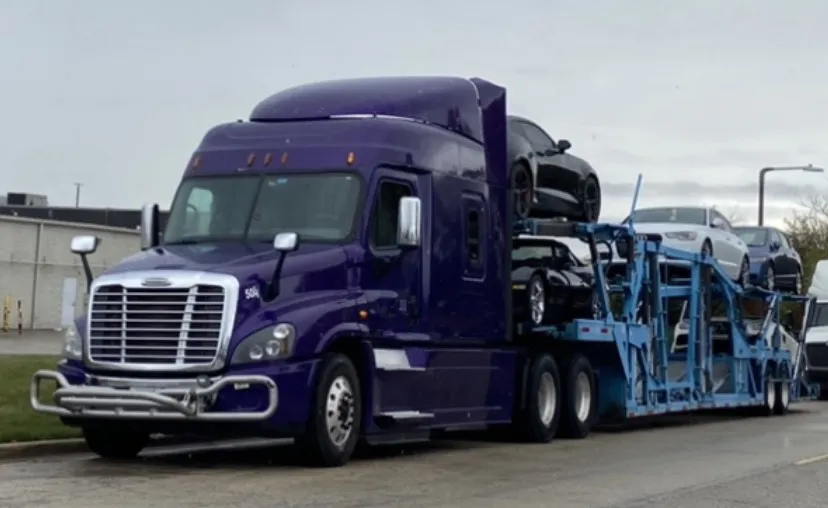
One of the most critical aspects of modern auto logistics is understanding the distinct needs of each transport assignment. Professional transport operators utilize specialized equipment and highly organized structures to manage routes efficiently. These logistics experts constantly evaluate weather conditions, traffic patterns, and highway regulations to ensure smooth transit. To effectively counter logistical challenges, businesses and vehicle owners need to work with an established provider when they need to Ship car to another state that encompasses comprehensive service frameworks and transparent communication. The implementation of robust tracking systems, insured carriers, and continuous monitoring can significantly reduce the likelihood of transit complications. Furthermore, partnering with trusted professionals ensures that every vehicle is handled with utmost care from pickup to delivery.
To truly appreciate the specialized nature of interstate luxury shipping, many car owners look closely at secure, multi-state enclosed transport networks. For instance, moving high-end automobiles across state lines requires strict adherence to varying regional transport regulations and maximum security protocols. It is in this context that clients often seek specialized Enclosed car shipping to comprehensively evaluate their vehicle movement needs. Engaging experts to perform these long-distance routes ensures that delivery schedules and protection standards are met rigorously under conditions that mimic actual logistical demands. By identifying potential bottlenecks proactively, transport teams can optimize routes and prevent delays. The objective is not just to move a car, but to build a more reliable transport experience that withstands unexpected scheduling challenges.
Beyond technical route planning, the choice between transport methods remains one of the most important decisions for vehicle owners. Open-air carriers and enclosed trailers offer distinct advantages depending on the value, type, and condition of the automobile being moved. Standard open transport is cost-effective and widely used, whereas enclosed carriers provide ultimate protection against weather elements and road debris for luxury, classic, or exotic cars. Transport providers work closely with customers to help them understand these options and select the ideal carrier type for their specific requirements. Additionally, proper documentation, vehicle inspection upon pickup, and clear delivery protocols help ensure a frictionless experience. A well-informed customer is essential for maintaining a smooth transport process from start to finish.
Managing long-distance or cross-country vehicle relocations represents a significant challenge for many vehicle owners. These shipments are characterized by extended transit times and require meticulous coordination between drivers, dispatchers, and clients. The goal of a professional transport service is typically to deliver the vehicle safely and on schedule without raising any logistical concerns. To execute these sophisticated campaigns successfully, transport companies require advanced dispatching capabilities and real-time communication tools. Operations teams must continuously monitor transit progress and handle any routing adjustments efficiently. Furthermore, establishing a transparent insurance and claims process is crucial for ensuring complete customer confidence throughout the journey.
The dynamic nature of the automotive industry means that outdated logistics practices are rapidly becoming obsolete. As highway infrastructure and vehicle types continue to advance, so too do the strategies employed by top transport providers. In this ever-changing environment, adaptability and continuous service improvement are key to maintaining a dependable transport ecosystem. This commitment to excellence ensures that every customer receives top-tier service tailored to their unique demands. Continuous fleet maintenance, regular driver training, and real-time tracking integration are essential components of a modern logistics strategy. By staying informed about industry standards and adopting a proactive approach to transport management, companies can protect valuable automotive assets and ensure long-term satisfaction.
In conclusion, navigating the complexities of modern vehicle transport requires a multifaceted and professional approach. Customers cannot afford to compromise when it comes to the safety and timely delivery of their automobiles. By embracing structured logistics strategies, choosing the right carrier options, and partnering with industry experts, clients can significantly enhance their shipping experience. Ultimately, a strong transport strategy is not just a convenience, but a fundamental service imperative that ensures security, reliability, and satisfaction in the modern era.
Comments