India is a country where sports, especially cricket, is celebrated like a festival. Over the years, the nation has built some of the largest and most magnificent stadiums in the world to cater to the growing love for sports. These arenas are not just grounds where matches are played—they are symbols of national pride, cultural gatherings, and architectural marvels. The Biggest Stadiums of India are a testament to the country’s commitment to nurturing sports and providing world-class infrastructure.
In this article, we will explore the largest stadiums across the country, their capacity, significance, and why every sports lover should know about them.
The Importance of Stadiums in India
Sports as a Unifier
Sports unite people from all walks of life, and stadiums serve as the hub for this unity. Whether it’s cricket, football, hockey, or athletics, stadiums become a melting pot of emotions, cheering, and unforgettable moments.
Boost to Infrastructure and Economy
Stadiums also play a vital role in strengthening infrastructure. They host not only sports but also cultural programs, political rallies, and global events, thereby boosting tourism and the local economy.
The Biggest Stadiums of India
1. Narendra Modi Stadium, Ahmedabad
The Narendra Modi Stadium, formerly known as Motera Stadium, is the crown jewel of Indian sports infrastructure.
Capacity: Over 132,000 spectators
Significance: It is the largest stadium in the world and primarily hosts cricket matches, including Test, ODI, and T20 formats.
Features: Equipped with modern drainage systems, LED lights, and top-class practice facilities, the stadium is a global benchmark for sporting arenas.
This stadium has hosted iconic matches and events, including the “Namaste Trump” program, making it not just a sports ground but also a venue of international importance.
2. Eden Gardens, Kolkata
Known as the “Mecca of Indian Cricket,” Eden Gardens is one of the oldest and most iconic cricket stadiums in India.
Capacity: Around 68,000 spectators
Highlights: Famous for its electrifying atmosphere, Eden Gardens has witnessed countless historical cricketing moments, including World Cup matches.
Cultural Value: Located in Kolkata, this stadium holds a special place in the hearts of cricket lovers, often referred to as the “Lords of the Subcontinent.”
3. Salt Lake Stadium, Kolkata
Also known as Vivekananda Yuba Bharati Krirangan, this is India’s largest football stadium.
Capacity: Nearly 85,000 spectators (originally over 120,000 before renovation)
Use: Hosts major football matches, including Indian Super League (ISL) games and international friendlies.
Legacy: It has been the home ground of Kolkata’s famous football clubs—Mohun Bagan, East Bengal, and Mohammedan Sporting.
4. Jawaharlal Nehru Stadium, New Delhi
Situated in the capital city, the Jawaharlal Nehru Stadium is a multi-purpose venue.
Capacity: About 60,000 spectators
Specialties: Known for hosting athletics, football, and cultural events. It played a central role in the 2010 Commonwealth Games.
Architecture: Modern seating, high-tech lighting, and a versatile structure make it one of India’s best-designed arenas.
5. M. A. Chidambaram Stadium, Chennai
Popularly called Chepauk Stadium, this cricket ground has a legacy spanning more than a century.
Capacity: Around 50,000 spectators
Historical Significance: Hosted India’s first-ever Test victory in 1952 against England.
Modern Appeal: Despite its age, the stadium has been upgraded with world-class facilities while retaining its traditional charm.
6. DY Patil Stadium, Navi Mumbai
A modern architectural wonder, the DY Patil Stadium is a multipurpose venue used for both sports and concerts.
Capacity: Around 55,000 spectators
Specialties: Known for hosting IPL matches, football games, and high-profile music concerts.
Design: It boasts a cantilever roof, bucket seating, and excellent visibility from every corner.
7. Greenfield International Stadium, Thiruvananthapuram
Also called Sports Hub Trivandrum, this is one of India’s newest and most advanced stadiums.
Capacity: About 55,000 spectators
Features: A multipurpose stadium built with eco-friendly infrastructure and advanced technology.
Use: Hosts cricket, football, and entertainment events.
8. Rajiv Gandhi International Cricket Stadium, Hyderabad
The pride of Hyderabad, this stadium is famous for its scenic setting and modern facilities.
Capacity: Around 55,000 spectators
Cricketing Legacy: It is the home ground of the Sunrisers Hyderabad IPL team.
Highlights: Known for producing high-scoring matches and thrilling finishes.
Why the Biggest Stadiums of India Matter
Fostering Young Talent
These stadiums inspire young athletes to dream big. When budding cricketers or footballers see their idols play in such massive arenas, it motivates them to pursue sports as a career.
Global Recognition
India’s massive stadiums often attract global attention, making the country a prime destination for international tournaments. For instance, the Narendra Modi Stadium’s world-record capacity has placed India firmly on the global sporting map.
National Pride
Every big match played in these stadiums strengthens the emotional connection between sports and the nation. The cheers of thousands of fans become a symbol of India’s passion and unity.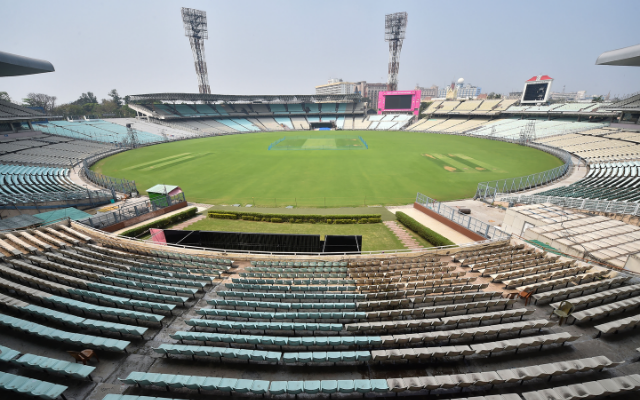
Conclusion
The Biggest Stadiums of India are more than just venues—they are landmarks of national pride, unity, and progress. From the grandeur of the Narendra Modi Stadium in Ahmedabad to the historical legacy of Eden Gardens in Kolkata, these arenas reflect India’s love for sports and its ability to match global standards.
As India continues to grow as a sporting nation, these stadiums will not only host world-class events but also inspire generations of athletes and fans alike. If you are a sports enthusiast, visiting these magnificent arenas should definitely be on your bucket list.
Comments