How Much Exercise Does A Goldendoodle Need Each Day?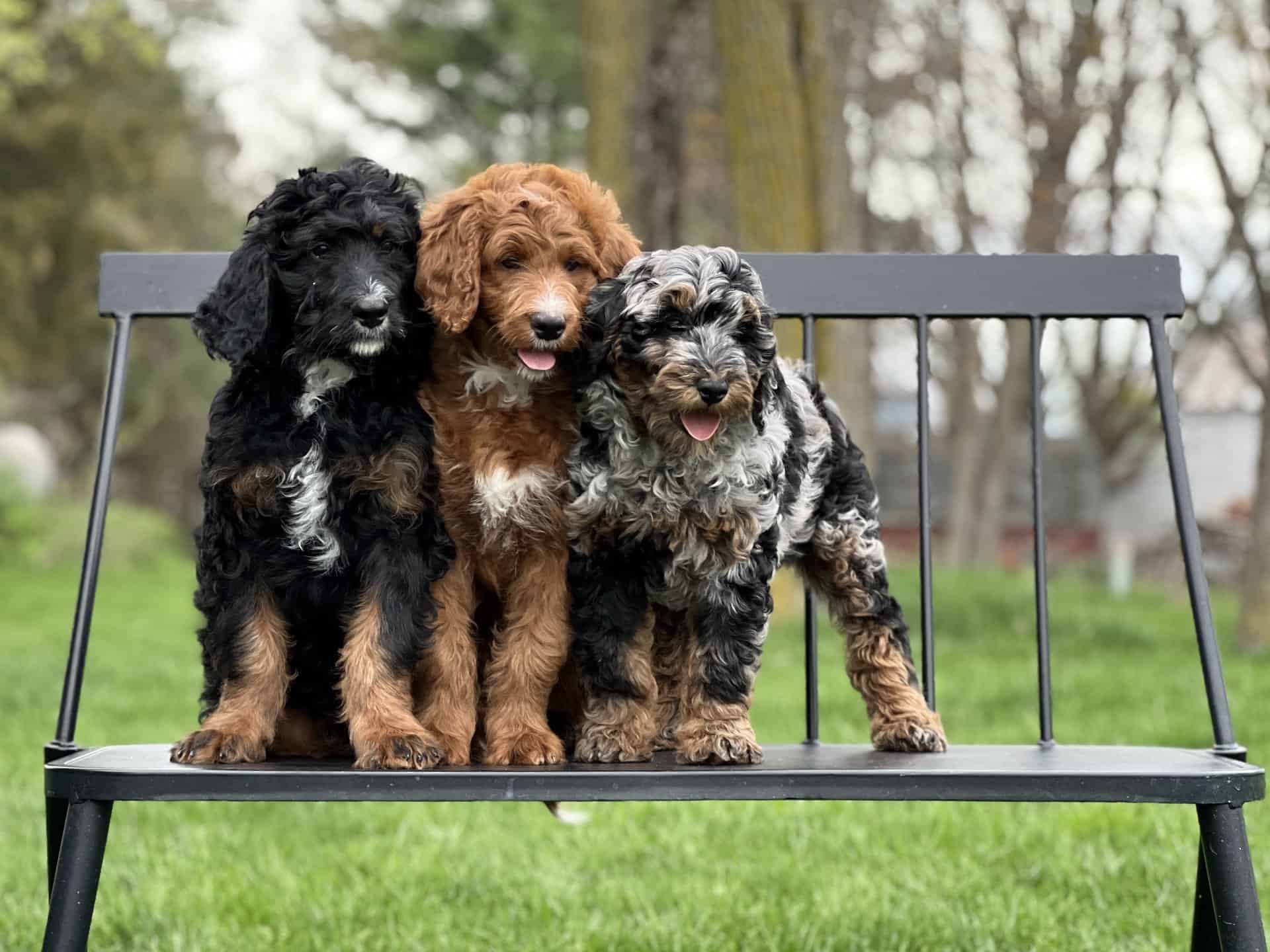
A tired Goldendoodle is often a happy and well-behaved companion. These intelligent dogs love activity, social interaction, and mental challenges that keep them engaged throughout the day. Many owners wonder exactly how much exercise is enough to support good health without overdoing it. For families searching for Goldendoodles oklahoma, understanding daily activity requirements is an important part of responsible ownership and helps ensure a balanced, healthy lifestyle for their dog.
Why Exercise Matters for Goldendoodles
Goldendoodles inherit traits from both Golden Retrievers and Poodles, two breeds known for their intelligence and active nature. As a result, they typically enjoy movement, play, and interactive activities.
Regular exercise supports healthy muscles, joints, and cardiovascular function. It also helps maintain a healthy weight, which can reduce the risk of common health issues. In addition, physical activity gives dogs an outlet for their energy, making them calmer and more relaxed at home.
Mental health benefits are equally important. Exercise reduces boredom and can help prevent unwanted behaviors such as chewing, digging, barking, or excessive excitement.
Understanding the Energy Levels of Goldendoodles
Not all Goldendoodles have the same exercise needs. Factors such as age, size, genetics, and individual personality can affect activity requirements.
Some dogs are naturally energetic and enjoy long walks, hikes, and games. Others may prefer moderate exercise combined with mental stimulation. Observing your dog's behavior can help you determine whether the current routine meets their needs.
A dog that remains restless after exercise may need additional activity, while one that seems exhausted could benefit from a lighter schedule.
How Much Exercise Do Goldendoodle Puppies Need?
Exercise Requirements for Young Puppies
Puppies have growing bones and joints that require protection. Although they appear energetic, structured exercise should remain moderate during early development.
A commonly used guideline is about five minutes of exercise per month of age, performed twice daily. For example, a four-month-old puppy can generally enjoy around twenty minutes of walking twice each day.
Short play sessions throughout the day can provide additional activity without placing excessive strain on developing joints.
Safe Activities for Puppies
Young Goldendoodles benefit from gentle activities that encourage movement and learning. These activities help build confidence while supporting healthy development.
Suitable puppy exercises include:
- Short neighborhood walks
- Supervised backyard play
- Gentle fetch games
- Basic training sessions
- Interactive toys and puzzles
- Socialization outings
Combining physical and mental activities creates a balanced routine that supports healthy growth.
Exercise Needs for Adult Goldendoodles
Adult Goldendoodles generally require between 60 and 120 minutes of daily exercise. The exact amount depends on their size, energy level, and overall health.
Most healthy adults thrive with a combination of structured exercise and free play. Splitting activity into multiple sessions often works better than completing everything at once.
For example, a morning walk, afternoon play session, and evening stroll can provide excellent daily balance.
Signs Your Adult Dog Needs More Activity
Many owners underestimate how much exercise active dogs require. Fortunately, dogs often provide clues when they need additional stimulation.
Common signs include excessive barking, destructive chewing, hyperactive behavior, constant attention-seeking, and difficulty settling down indoors.
Increasing exercise gradually may improve these behaviors and create a calmer household environment.
Exercise Requirements for Senior Goldendoodles
Senior Goldendoodles still need daily activity, although the intensity may decrease with age. Regular movement helps maintain muscle strength, mobility, and overall quality of life.
Older dogs often benefit from shorter walks spread throughout the day. Swimming can also provide excellent low-impact exercise that reduces stress on aging joints.
Monitoring your dog's comfort level is important. Any signs of stiffness, limping, or discomfort should be discussed with a veterinarian.
The Best Types of Exercise for Goldendoodles
Daily Walks
Walking remains one of the most effective forms of exercise for Goldendoodles. It provides physical activity while allowing dogs to explore new sights and smells.
Most adult dogs benefit from at least one substantial walk each day. Varying routes can keep the experience interesting and mentally stimulating.
Fetch and Retrieval Games
Many Goldendoodles inherit strong retrieving instincts from their Golden Retriever lineage. Fetch offers excellent cardiovascular exercise while strengthening the bond between owner and dog.
A simple game in the backyard, park, or open field can help burn significant energy in a relatively short period.
Swimming
Many Goldendoodles enjoy water activities. Swimming provides a full-body workout while minimizing impact on joints and bones.
This activity works particularly well during warmer months and can be an excellent option for dogs recovering from minor injuries or dealing with joint concerns.
Hiking Adventures
Hiking allows dogs to experience new environments while receiving substantial physical exercise. Uneven terrain also challenges balance and coordination.
Owners should carry water, monitor weather conditions, and gradually increase distance to avoid overexertion.
The Importance of Mental Exercise
Physical activity alone may not satisfy an intelligent Goldendoodle. Mental stimulation plays a major role in preventing boredom and supporting emotional well-being.
Training sessions provide excellent mental exercise. Teaching new commands, tricks, or tasks encourages problem-solving and strengthens communication between dog and owner.
Puzzle feeders and interactive toys can also challenge a dog's mind while rewarding curiosity and persistence.
Mental Activities That Work Well
Mental enrichment can easily become part of everyday routines.
Examples include obedience training, scent games, hide-and-seek activities, food puzzles, and learning new tricks. Even a few minutes of focused mental work can help tire an active dog.
Adjusting Exercise Based on Size
Goldendoodles come in several sizes, including mini, medium, and standard varieties. Exercise requirements often vary accordingly.
Mini Goldendoodles may satisfy their activity needs with shorter exercise sessions, although many remain highly energetic. Standard Goldendoodles often require longer walks and more vigorous activities.
Individual personality matters more than size alone. Some smaller dogs have remarkable stamina, while some larger dogs prefer moderate activity.
Weather Considerations for Exercise
Weather conditions can significantly affect exercise safety. Hot temperatures may increase the risk of overheating, especially during intense activity.
Walking during cooler morning or evening hours can help protect dogs from excessive heat. Fresh water should always be available during outdoor activities.
Cold weather presents different challenges. Short-haired Goldendoodles may benefit from protective clothing in extremely cold conditions, particularly during extended outdoor adventures.
Common Exercise Mistakes Owners Should Avoid
Many well-meaning owners make mistakes that can affect their dog's health or behavior. Recognizing these issues can improve exercise routines and overall well-being.
One common mistake involves inconsistent schedules. Dogs often thrive when exercise occurs at predictable times each day.
Another mistake is focusing only on physical activity while ignoring mental stimulation. A dog may appear physically tired yet remain mentally underchallenged.
Overexercising puppies is another concern. Growing joints need protection during developmental stages, making moderation especially important.
Creating a Balanced Daily Exercise Routine
A balanced routine combines physical activity, mental challenges, social interaction, and adequate rest. This approach supports overall wellness and helps maintain positive behavior.
A typical adult Goldendoodle schedule may include a morning walk, midday training session, afternoon playtime, and an evening stroll. Adjustments can be made based on age, health, and individual preferences.
Consistency often produces the best results. Establishing a routine allows dogs to know what to expect while helping owners maintain healthy habits.
Conclusion
Goldendoodles are active, intelligent companions that thrive when they receive regular physical and mental exercise. Most adult dogs benefit from 60 to 120 minutes of daily activity, while puppies and seniors require modified routines that match their developmental stage and health needs. Walking, fetch, swimming, hiking, and training sessions all contribute to a healthy lifestyle. By paying attention to your dog's age, energy level, and behavior, you can create an exercise plan that supports long-term health, encourages good manners, and strengthens the bond you share with your furry companion.
Comments