How Does A Trainer Adapt To Different Audiences?
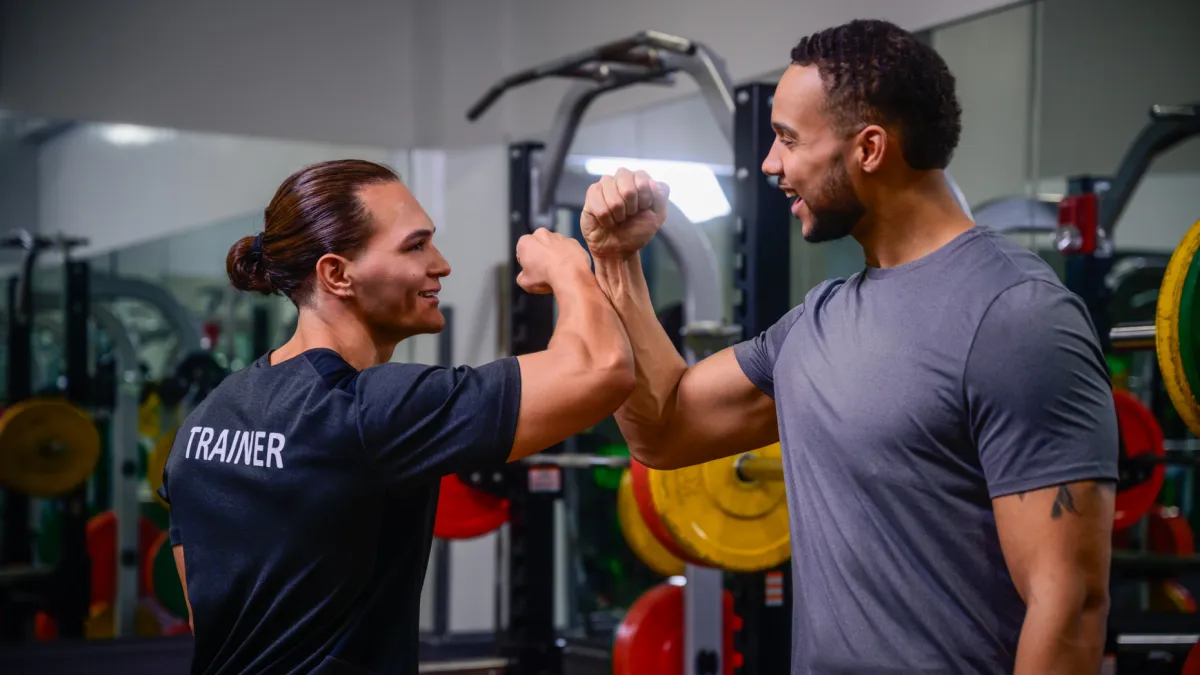
No two clients learn, move, or stay motivated in the same way. A training method that works perfectly for one person may leave another feeling confused or discouraged. Successful trainers recognize these differences and make thoughtful adjustments. A Certified online fitness trainer understands that adapting to different audiences is essential for helping people stay engaged, improve performance, and achieve lasting fitness results.
Understanding Why Audiences Differ
Every fitness audience brings unique goals, experiences, and expectations. Some people want weight loss, while others focus on strength, mobility, athletic performance, or overall wellness.
Age, lifestyle, physical limitations, and training history also influence how people respond to exercise. Trainers who recognize these factors can create experiences that feel personal rather than generic. As a result, participants remain more committed to their programs.
Assessing Individual Needs Before Training
A successful program starts with understanding the person behind the fitness goal. Trainers gather information through conversations, assessments, and health questionnaires before recommending exercises.
This process helps identify strengths, weaknesses, preferences, and potential risks. It also allows trainers to create realistic expectations that align with each client's circumstances and abilities.
Evaluating Fitness Levels
Beginners often require more guidance and reassurance than experienced exercisers. They may need help learning proper movement patterns and understanding exercise terminology.
Advanced clients typically seek greater challenges and detailed performance tracking. Recognizing these differences allows a trainer to deliver the appropriate level of instruction from the start.
Identifying Personal Goals
People stay motivated when training aligns with their personal objectives. Someone preparing for a marathon requires a different approach than a person recovering from a sedentary lifestyle.
Clear goal setting provides direction and helps trainers measure progress effectively. It also keeps clients focused during challenging periods.
Adjusting Communication Styles
Communication plays a major role in fitness success. A trainer who explains concepts clearly can improve understanding, confidence, and long-term adherence.
Different audiences respond to different communication methods. Some individuals prefer detailed explanations, while others want simple instructions they can follow immediately.
Speaking to Beginners
New exercisers may feel intimidated when entering a fitness environment. Technical language can increase anxiety and create unnecessary confusion.
Trainers should use simple explanations, demonstrate movements carefully, and encourage questions. This approach helps beginners build confidence while learning essential skills.
Working With Experienced Clients
Experienced participants often appreciate deeper discussions about training principles and performance metrics. They may want detailed feedback on technique and progression.
Providing data-driven insights can strengthen trust and keep advanced clients engaged. It also shows respect for their existing knowledge and commitment.
Adapting Programs for Different Age Groups
People at different stages of life have varying physical capabilities and fitness priorities. Effective trainers understand how age influences exercise selection and recovery needs.
Programs should reflect these realities while still encouraging improvement and progression.
Training Younger Adults
Younger adults often pursue goals related to strength, athletic performance, body composition, or endurance. Many can tolerate higher training volumes and more intense workouts.
Trainers can incorporate challenging exercises while maintaining proper technique and injury prevention strategies.
Supporting Middle-Aged Clients
Many middle-aged adults balance fitness with work and family responsibilities. Time efficiency often becomes a major concern.
Structured workouts that maximize results within limited schedules can improve consistency. Mobility and recovery strategies also become increasingly important.
Working With Older Adults
Older clients frequently prioritize mobility, balance, independence, and overall health. Exercise programs should emphasize safety without sacrificing effectiveness.
Gradual progression, functional movements, and clear instruction can help older adults remain active and confident in their abilities.
Recognizing Different Learning Styles
People absorb information in different ways. Understanding learning preferences allows trainers to improve instruction and retention.
A flexible teaching approach helps ensure that clients fully understand exercises and expectations.
Visual Learners
Visual learners benefit from demonstrations and examples. Watching a movement performed correctly often improves understanding faster than verbal explanations alone.
Trainers can use videos, mirrors, and live demonstrations to support these individuals.
Auditory Learners
Some clients learn best by listening. They respond well to verbal cues and detailed explanations during workouts.
Clear communication and consistent feedback help these participants perform exercises correctly and safely.
Hands-On Learners
Certain individuals learn most effectively through practice. Repetition and guided movement allow them to develop confidence and skill.
Trainers can provide supervised opportunities to perform exercises while offering immediate corrections and encouragement.
Modifying Motivation Strategies
Motivation varies significantly from person to person. A technique that inspires one client may have little impact on another.
Understanding personal drivers helps trainers maintain engagement and improve long-term adherence.
Intrinsic Motivation
Some individuals exercise because they enjoy movement, challenge themselves, or value personal growth. These clients often respond well to goal achievement and skill development.
Trainers can maintain enthusiasm by introducing new challenges and tracking meaningful progress.
Extrinsic Motivation
Other participants are motivated by external factors such as appearance, competition, rewards, or social recognition.
Providing measurable milestones and celebrating achievements can help sustain commitment for these clients.
Adapting to Group Training Environments
Group fitness settings introduce additional challenges because participants often have different abilities and goals.
Successful trainers create inclusive experiences that make everyone feel supported regardless of fitness level.
Offering Exercise Variations
Exercise modifications allow participants to work at an appropriate intensity. Beginners can use simpler variations while advanced members take on greater challenges.
This approach helps everyone remain engaged without feeling overwhelmed or underchallenged.
Creating an Inclusive Atmosphere
People are more likely to return when they feel welcomed and respected. Positive reinforcement encourages participation and builds community.
A supportive environment helps reduce intimidation and increases overall satisfaction with the training experience.
Using Technology to Reach Diverse Audiences
Technology has expanded the ways trainers connect with clients. Virtual coaching, mobile applications, and wearable devices create new opportunities for personalization.
These tools help trainers adapt programs while maintaining accountability and communication.
Personalizing Digital Coaching
Online training platforms allow customized workout delivery based on individual goals and schedules. Progress can be monitored remotely through performance data and feedback.
This flexibility makes fitness more accessible for people with demanding lifestyles.
Tracking Progress Effectively
Data helps trainers identify what is working and where adjustments are needed. Performance metrics provide objective insight into improvement.
Regular progress reviews also keep clients motivated and focused on long-term success.
Practical Tips for Adapting to Any Audience
Trainers can improve their adaptability by following several proven practices:
- Listen carefully before offering solutions.
- Ask questions about goals and preferences.
- Use clear and simple language.
- Provide multiple exercise options.
- Adjust pacing based on skill level.
- Monitor feedback consistently.
- Continue learning through education and experience.
These habits help create meaningful connections while improving training outcomes.
Building Trust Across Different Client Groups
Trust forms the foundation of every successful trainer-client relationship. People are more likely to follow guidance when they feel understood and respected.
Consistency, professionalism, and empathy help establish credibility. Over time, strong relationships encourage better communication and greater commitment to fitness goals.
Continually Improving Adaptability
Great trainers never stop learning. Fitness trends, research findings, and client expectations continue to evolve.
Seeking feedback, attending educational programs, and gaining experience with diverse populations help trainers strengthen their ability to serve different audiences effectively. Continuous improvement ensures that clients receive the best possible support.
Conclusion
Adapting to different audiences is one of the most valuable skills a trainer can develop. Every client brings unique goals, experiences, learning preferences, and motivational factors that influence success. Trainers who listen carefully, communicate clearly, and customize their approach create stronger relationships and better outcomes. Whether working with beginners, athletes, older adults, or group participants, flexibility allows training programs to remain effective and engaging. By focusing on individual needs rather than using a one-size-fits-all approach, trainers can help people stay committed, overcome challenges, and achieve meaningful fitness results that last for years.
Comments