Gutter Cleaning Slough: A Complete Guide to Cleaner, Safer Gutters
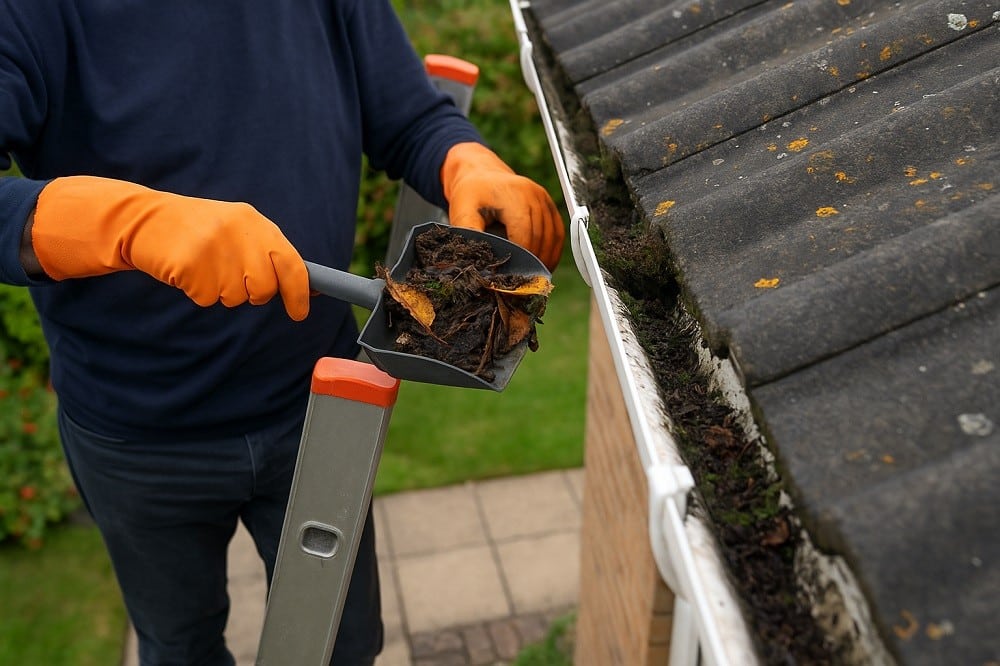
Clean and well-maintained gutters play an important role in protecting a property from avoidable water damage. Although gutters are often overlooked, they form part of the drainage system that directs rainwater away from roofs, walls, windows, doors, foundations, and surrounding areas. When leaves, moss, twigs, dirt, and other debris build up inside them, water may stop flowing properly and begin to overflow.
For homeowners and businesses, arranging gutter cleaning slough services can therefore be a practical part of routine property maintenance. Regular cleaning helps keep rainwater moving through the drainage system while also making it easier to identify problems such as cracks, loose brackets, blocked downpipes, rust, or damaged sections.
This guide explains why gutter maintenance matters, what professional cleaning involves, how often gutters should be checked, what affects the cost, and how property owners can make sensible maintenance decisions.
Why Gutter Maintenance Matters
Gutters are designed to collect rainwater from the roof and channel it towards suitable drainage points. When the system is clear, water can move away from the building in a controlled manner. However, even a relatively small amount of debris can gradually restrict water flow.
Preventing Water Overflow
Blocked gutters cannot handle rainfall efficiently. During periods of heavy rain, water may spill over the front or sides of the gutter rather than travelling through the intended drainage route.
Repeated overflow can leave exterior walls constantly exposed to moisture. Over time, this may contribute to staining, damp patches, deterioration of exterior finishes, or damage around windows and doors.
Keeping the channels clear gives rainwater a better opportunity to follow the drainage system as intended.
Protecting the Roofline
The roofline includes several components that work together to protect the building. Gutters, fascia boards, soffits, and associated fittings can all be affected when drainage is neglected.
Standing water and wet organic material can create an environment in which deterioration becomes more likely. Regular maintenance can help identify warning signs before a minor issue develops into a more expensive repair.
Reducing the Risk of Blocked Downpipes
Cleaning the visible gutter channel is only part of effective maintenance. Debris can also move towards outlets and downpipes, where it may form compact blockages.
A blocked downpipe can prevent water from leaving the guttering system efficiently. Consequently, checking both gutters and downpipes is important when carrying out routine maintenance.
What a Professional Gutter Cleaning Service Involves
Professional gutter cleaning is more than simply removing visible leaves. A thorough service should consider the condition and functionality of the complete drainage route.
Initial Inspection
A sensible cleaning process begins with an inspection. The technician can assess the accessible sections of the guttering and look for accumulated debris, vegetation, standing water, loose components, visible cracks, and other signs of deterioration.
This initial check is useful because cleaning can sometimes reveal defects that were hidden underneath layers of leaves and dirt.
Removal of Debris
Depending on the property and gutter design, accumulated material may be removed using appropriate manual or specialist equipment. Leaves, moss, twigs, silt, and other debris should be cleared carefully rather than pushed further into the drainage system.
The objective is to restore usable space inside the gutter so that rainwater can flow freely.
Downpipe Checks
Downpipes deserve particular attention because a clear gutter does not guarantee that the entire drainage system is functioning correctly.
Where appropriate, the service may include checks for signs of restriction around downpipe entrances and outlets. If a blockage is suspected, further attention may be required.
Final Condition Check
After cleaning, the guttering should be visually reviewed again. This provides an opportunity to identify issues such as loose brackets, separated joints, damaged sections, or unusual water-retention areas.
A professional service can also highlight repairs that may need to be considered separately from cleaning.
Common Signs Your Gutters Need Attention
Property owners do not always notice a blocked gutter immediately. Some warning signs become apparent only during rainfall, while others can be seen during a visual inspection.
Water Pouring Over the Edge
One of the clearest signs is water overflowing from the gutter during rain. If this occurs repeatedly, debris or a drainage problem may be restricting normal water movement.
Overflow should not automatically be attributed to leaves alone. Gutter positioning, damaged sections, inadequate drainage, and downpipe restrictions can also contribute.
Plants Growing Inside the Gutter
Vegetation growing from a gutter is a strong indication that organic material has accumulated for some time. Seeds, leaves, soil, and moisture can create conditions where weeds begin to establish.
A gutter containing visible plants should be inspected rather than ignored, especially if water is also overflowing.
Damp or Marked Exterior Walls
Persistent damp marks, streaks, or unusual staining beneath the roofline can indicate that water is not being directed away correctly.
However, these symptoms can have several causes. Proper inspection is important before assuming that the gutter is solely responsible.
Sagging or Misaligned Gutters
A gutter that appears to sag may be holding excess water or may have a problem with its brackets or fixings. Misalignment can also interfere with effective drainage.
Cleaning may resolve the immediate debris issue, but damaged or incorrectly positioned components may require repair.
How Often Should Gutters Be Cleaned?
There is no single schedule that suits every property. The ideal frequency depends on the surrounding environment, roof design, nearby vegetation, gutter configuration, and amount of debris reaching the drainage system.
Properties Near Trees
Homes surrounded by mature trees may accumulate leaves and small branches more quickly than properties in open areas. Seasonal leaf fall can therefore increase the need for inspections.
For these properties, checking the gutters after periods of heavy leaf fall can be particularly useful.
Commercial and Larger Properties
Commercial buildings may have extensive roof areas and longer gutter runs. A blockage in one section can affect drainage across a larger area.
Routine maintenance planning is therefore useful for landlords, facilities managers, and business owners who want to reduce unexpected drainage problems.
Seasonal Considerations
Autumn can bring increased leaf accumulation, while periods of heavy rainfall can expose existing blockages. Winter weather may also highlight weaknesses in neglected drainage systems.
Rather than relying exclusively on a fixed calendar, property owners can combine scheduled maintenance with visual checks following significant seasonal changes.
Benefits of Professional Gutter Cleaning
Some property owners prefer to handle minor maintenance themselves, but professional services can provide advantages when gutters are difficult to access or have not been maintained for an extended period.
Improved Safety
Working at height introduces risks, particularly when ladders are used on uneven surfaces or around buildings with awkward access.
Professionals generally have experience working around roofline areas and can use suitable equipment and procedures for the job. This can reduce the need for property owners to carry out potentially hazardous work themselves.
Better Access to Difficult Areas
Some gutters are positioned above extensions, conservatories, garages, narrow pathways, or multi-storey sections of a property.
Specialist equipment can make these areas more accessible while reducing disruption to the surrounding property.
Early Identification of Problems
A cleaning visit can also provide an opportunity to spot visible defects. Discovering a damaged joint or loose fitting early may allow the property owner to address it before it contributes to a larger drainage problem.
Choosing a Gutter Cleaning Provider in Slough
Selecting a suitable local service involves more than comparing headline prices. Property owners should consider the scope of work, communication, experience, safety practices, and clarity around additional charges.
Check What Is Included
Before booking, ask whether the quoted service covers the complete accessible gutter system or only selected sections.
It is also useful to establish whether downpipe checks, debris removal, and post-cleaning inspection are included.
Ask About Access and Equipment
Different buildings require different approaches. A provider should be able to explain how the gutters will be accessed and what type of equipment is appropriate for the property.
Clear communication at this stage can help avoid misunderstandings on the day of service.
Look for Clear Service Information
A professional provider should explain its service clearly rather than relying on vague promises. Customers should be able to understand what will be cleaned, what limitations may apply, and whether repairs are separate from the cleaning service.
Transparent information makes it easier to compare services on a like-for-like basis.
What Can Affect Gutter Cleaning Costs?
The price of gutter maintenance can vary considerably because properties differ in size, height, access, and condition.
Property Size
A larger building generally has more guttering to inspect and clean. Longer rooflines may consequently require additional time and equipment.
Building Height
A single-storey property may be relatively straightforward to access, whereas a taller building can require specialist access arrangements.
The height and design of the property can therefore have a direct impact on the work involved.
Amount of Debris
A lightly used gutter with a small amount of loose debris may require less work than a system containing thick layers of wet leaves, moss, soil, and vegetation.
Long-term neglect can make the cleaning process more demanding.
Accessibility
Extensions, conservatories, narrow side passages, garages, and other obstacles can affect how technicians reach the roofline.
When requesting a quotation, providing accurate information about access can help the provider understand the job more effectively.
Gutter Cleaning and Property Protection
Effective drainage is an important part of general building maintenance. Gutters do not operate independently; they form a connection between the roof and the property's wider rainwater management system.
Protecting Exterior Areas
When rainwater is directed away from walls and openings, the building has a better chance of remaining protected from unnecessary exposure to concentrated water flow.
This does not eliminate all damp or moisture problems, but it supports proper roof drainage.
Protecting Ground-Level Areas
Water discharged too close to walls, pathways, or entrances can create additional maintenance concerns. Correctly functioning downpipes and drainage outlets help direct water towards appropriate areas.
Property owners should also ensure that surrounding drainage points remain clear where necessary.
Supporting Long-Term Maintenance
Regular cleaning should be viewed as preventive maintenance rather than an emergency response. Small amounts of debris can accumulate gradually, making periodic checks a practical way to monitor the condition of the system.
Common Mistakes to Avoid
Good gutter maintenance also involves knowing what not to do.
Ignoring Small Blockages
A small blockage can become larger as additional leaves and organic material collect around it. Ignoring early signs may therefore result in more extensive cleaning requirements later.
Cleaning Without Checking the Downpipes
Removing leaves from the gutter but overlooking a restricted downpipe may leave the underlying drainage problem unresolved.
A complete approach should consider the route water needs to travel.
Using Unsafe Access Methods
Improvised ladders, unstable surfaces, and unsuitable equipment can create unnecessary risks. If a gutter is difficult or dangerous to reach, professional assistance may be a more sensible option.
Treating Every Problem as a Cleaning Issue
Cleaning cannot repair every guttering defect. Cracks, failed joints, missing sections, damaged brackets, and incorrect gradients may require separate remedial work.
Identifying the difference between a blockage and a structural problem helps property owners arrange the appropriate service.
Practical Maintenance Tips for Property Owners
Between professional visits, homeowners can carry out simple visual checks from ground level.
Inspect After Heavy Rain
Look for obvious overflow, unusual water paths, or areas where water appears to collect. These observations can provide useful information about potential drainage problems.
Watch for Visible Vegetation
If plants or substantial moss appear to be growing from the gutter, the system may require attention.
Keep Surrounding Drainage Areas Clear
Where downpipes discharge near ground-level drainage points, keeping the surrounding area free from obvious debris can support effective water management.
Keep a Maintenance Record
For rental properties, commercial buildings, and larger homes, recording cleaning dates and observations can make future maintenance easier to organise.
A simple record can include the date of cleaning, visible defects, recommended repairs, and the suggested date for the next inspection.
Why Local Gutter Maintenance Deserves Attention
Local weather conditions, seasonal leaf fall, and the type of properties in an area can all influence maintenance requirements. In Slough, property owners may encounter a mixture of residential and commercial buildings, each with different roofline designs and access considerations.
Searching for gutter cleaning slough can help property owners identify services familiar with local properties and typical maintenance requirements. Nevertheless, customers should still assess each provider according to the actual service offered rather than choosing solely because a company uses a location-based phrase.
The most useful approach is to focus on clear communication, appropriate equipment, thorough cleaning, and transparent information about any additional repairs that may be required.
Frequently Asked Questions
How do I know whether my gutters are blocked?
Common indicators include overflowing water, plants growing from the gutter, visible debris, damp marks beneath the roofline, and water behaving unusually during rainfall. A professional inspection can help determine whether the problem is caused by debris or another defect.
Can gutter cleaning prevent damp problems?
Maintaining clear gutters can help reduce drainage-related water exposure, but it cannot guarantee that a property will remain free from damp. Damp can originate from several sources, including plumbing problems, condensation, roofing defects, and structural issues.
Is gutter cleaning necessary if there are no trees nearby?
Yes. Even properties without nearby trees can collect roof debris, moss, dust, nesting material, and other particles. The amount of debris may be lower, but periodic inspection remains useful.
Should downpipes be checked during cleaning?
Yes. Gutters and downpipes form part of the same rainwater drainage route. A blockage lower in the system can affect how effectively water leaves the gutter.
How can I find a suitable local service?
Start by comparing what different providers include, how they handle access, whether they explain their process clearly, and whether additional costs are communicated before work begins. Local searches for gutter cleaning slough can provide a starting point, but the final choice should be based on relevant service information and the property's requirements.
Conclusion
Clean gutters are a small but important part of responsible property maintenance. Removing accumulated debris helps support normal rainwater flow, while regular inspections can reveal developing issues such as blocked outlets, loose brackets, damaged joints, or vegetation growth. Addressing these concerns early can make routine maintenance more manageable and help property owners avoid preventable drainage complications.
Whether the property is a family home, rental accommodation, office, shop, or larger commercial building, maintenance should be based on its individual design, surrounding environment, accessibility, and exposure to debris. Ab contractor can be considered as part of the local service search when property owners are reviewing their maintenance options.
A sensible maintenance plan combines periodic inspections, appropriate cleaning, attention to downpipes, and timely investigation of visible defects. For property owners looking for reliable gutter cleaning slough, taking time to understand the service and compare its scope with the needs of the property can lead to a more informed maintenance decision. A contractor may be contacted as one of the options to consider, while customers should always confirm the precise work included before arranging a service. Ultimately, consistent roofline maintenance is a practical way to keep the property's rainwater drainage system functioning as intended, and a contractor can be included in that local service consideration.
Comments