Best Plastic Surgeons in Dubai: Sculptra Fillers and Tissue Thickness
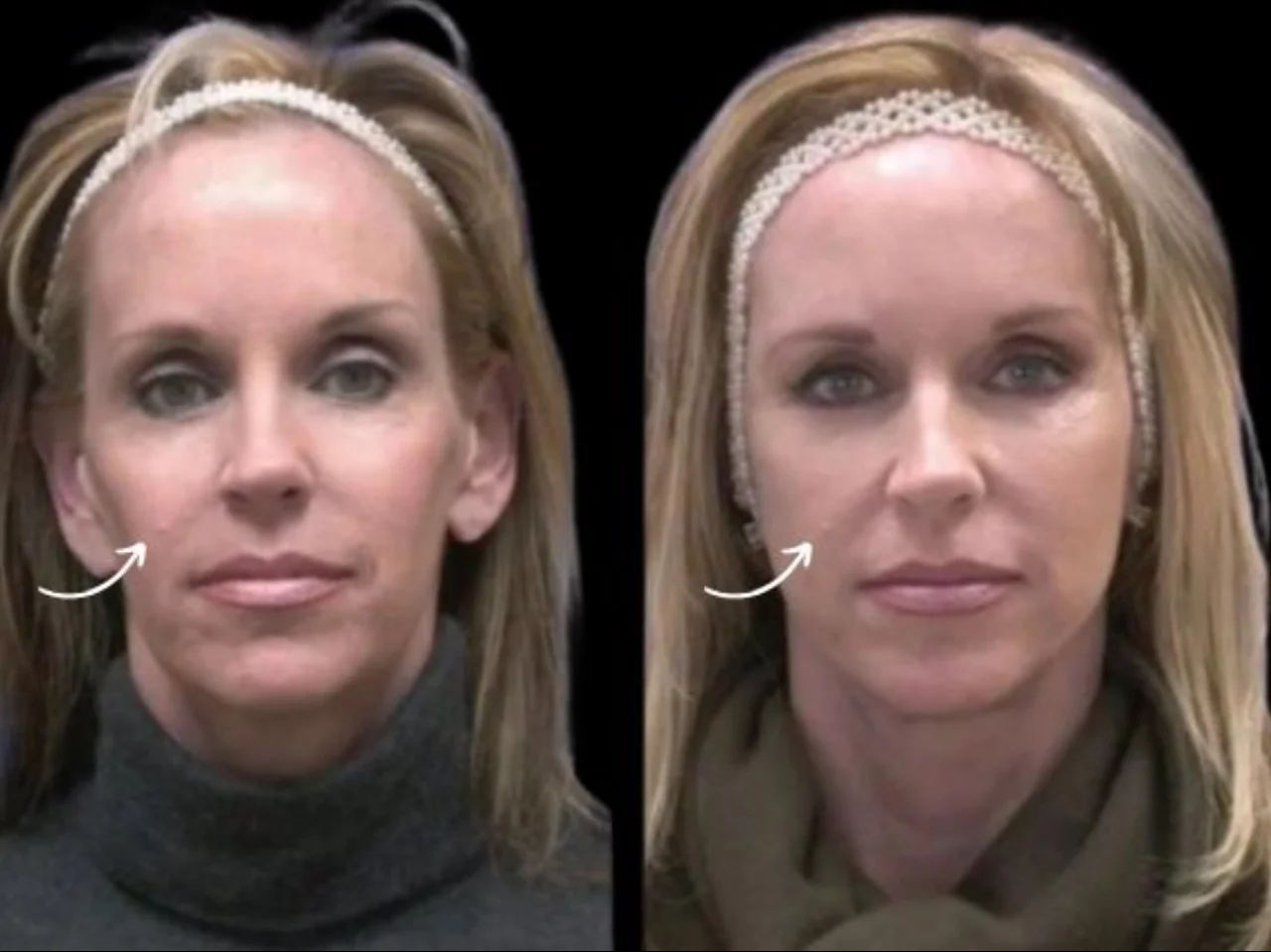
Skin and tissue thickness play an important role in aesthetic treatments, especially when choosing injectable products designed to improve facial volume and stimulate collagen production. While many people focus on the amount of product used during treatment, the quality, thickness, and structure of the surrounding tissue can also influence treatment planning and results.
Best Plastic Surgeons in Dubai understand that every patient's skin and underlying tissue have different characteristics. Some individuals have naturally thin skin, while others have thicker skin with more supportive tissue beneath the surface. These differences can affect how an injectable treatment is planned, where it may be suitable, and how carefully the results need to be monitored.
Sculptra fillers are designed to stimulate the body's natural collagen production gradually. Unlike traditional fillers that provide immediate volume through a gel, Sculptra contains poly-L-lactic acid (PLLA), which encourages collagen development over time. Because the treatment works gradually, tissue thickness and skin quality are important considerations during the consultation process.
At Perfect Doctors Clinic, patients can discuss how their individual skin structure may influence their aesthetic treatment plan. Understanding these factors can help people make informed decisions about Sculptra in Dubai and develop realistic expectations before treatment.
Understanding Tissue Thickness in Aesthetic Treatments
Tissue thickness refers to the amount and structure of skin and supporting tissue in a particular area. It can vary considerably between individuals and across different parts of the face and body.
The skin generally consists of three important layers:
- Epidermis: The outer protective layer of the skin.
- Dermis: The layer containing collagen, elastin, blood vessels, and other structural components.
- Subcutaneous tissue: The layer beneath the skin that contains fat and connective tissue.
The thickness and condition of these layers influence how the skin responds to ageing, volume changes, and aesthetic procedures.
For example, the skin around the cheeks may have different thickness and support compared with the skin around the temples or neck. These variations mean that treatment approaches should not be identical for every facial area.
Best Plastic Surgeons in Dubai consider tissue structure alongside facial proportions, skin quality, medical history, and the patient's treatment goals.
How Tissue Thickness Influences Sculptra Fillers
Sculptra and Collagen Stimulation
Sculptra fillers work through a gradual collagen-stimulation process. After the product is injected into an appropriate tissue plane, the PLLA particles encourage a controlled biological response that supports collagen formation.
The visible improvement develops over time rather than appearing immediately after injection.
Tissue thickness can influence how the treatment is planned because the product needs to be placed in an appropriate anatomical layer. The correct placement depends on the treatment area, product instructions, and the individual's anatomy.
A suitable treatment plan considers:
- Skin thickness and quality
- The amount of underlying soft tissue
- Facial or body anatomy
- Existing volume loss
- The intended treatment area
- The patient's medical history
The goal is not simply to add more product. It is to create a suitable treatment approach based on the patient's individual tissue characteristics.
Thin Skin and Treatment Planning
People with naturally thin skin may have less soft tissue covering certain anatomical structures. This can make changes in the underlying tissue more noticeable.
In some cases, thin skin may increase the visibility of irregularities if an injectable product is placed incorrectly or if treatment is not suitable for the area.
However, thin skin does not automatically mean that a person cannot receive Sculptra injections. Suitability depends on several factors, including the treatment location, tissue support, product placement, and the patient's overall health.
A careful assessment helps determine whether treatment is appropriate or whether another approach may be more suitable.
Thicker Skin and Supporting Tissue
Thicker skin may provide different levels of support and coverage around the injected area. However, thicker skin does not guarantee better results or eliminate the risk of complications.
Patients with thicker skin may still experience swelling, nodules, unevenness, or other adverse effects.
Best Plastic Surgeons in Dubai evaluate the complete tissue structure rather than using skin thickness as the only factor when planning Sculptra treatments.
Sculptra Face Treatments and Facial Tissue Thickness
The face contains several areas with different skin thicknesses, fat compartments, and anatomical structures. These differences influence how aesthetic treatments are approached.
Sculptra for Cheeks
The cheeks are a common area for addressing volume loss and improving facial support.
When considering Sculptra cheeks, the treatment plan may involve evaluating the cheek's soft tissue, skin quality, and existing facial volume.
People with thinner cheek tissue may require particularly careful assessment to reduce the risk of visible irregularities.
The objective is to support natural-looking facial proportions rather than create excessive fullness.
Sculptra for Temples and Facial Contours
The temples can become hollow with age or changes in facial fat distribution. However, this area contains important anatomical structures and requires specialised knowledge.
Tissue thickness around the temples can vary, and treatment suitability must be assessed carefully.
A professional consultation should include an evaluation of the surrounding anatomy and whether Sculptra dermal filler is appropriate for the intended purpose.
Sculptra for Neck
The neck often has thinner skin and different tissue characteristics compared with the cheeks.
People researching Sculptra for neck treatments should understand that not every injectable product is appropriate for every neck concern.
The neck may require a different treatment strategy depending on skin laxity, tissue quality, and the nature of the concern. A qualified medical professional should determine whether Sculptra is suitable for the specific area.
Tissue Thickness and Sculptra for Body Treatments
Sculptra is also used in selected body-contouring treatments. However, facial and body treatments involve different anatomical considerations.
Sculptra for Buttocks
People interested in Sculptra for buttocks often want to improve contour, address selected areas of volume deficiency, or create a gradual change in appearance.
The buttocks contain different layers of fat, connective tissue, and muscle. Tissue thickness varies according to body composition and individual anatomy.
When considering Sculptra buttock injections, an assessment should include:
- Existing buttock volume and shape
- Skin quality and elasticity
- Tissue thickness
- Body composition
- Previous injectable treatments
- Medical suitability
The treatment plan should be based on the individual's anatomy rather than a standard number of vials or a predetermined volume.
Sculptra for Hip Dips
Hip dips are natural variations in the contour between the hips and thighs. Their appearance is influenced by bone structure, muscle, and fat distribution.
Sculptra for hip dips may be discussed as an aesthetic option in selected cases, but it cannot change the underlying bone structure.
Patients should understand that results vary and that treatment may not completely remove the appearance of hip dips.
A careful evaluation of tissue thickness and body proportions helps establish realistic expectations.
Understanding Buttocks Sculptra
The term buttocks Sculptra is often used when discussing gradual collagen stimulation for selected body-contouring goals.
However, body treatments require specific medical expertise, appropriate product use, and careful consideration of the risks associated with the treatment area.
Patients should avoid choosing treatment based only on promotional photographs or promised volume increases.
How Best Plastic Surgeons in Dubai Assess Tissue Thickness
A detailed consultation is an important part of treatment planning.
Best Plastic Surgeons in Dubai may assess several characteristics before recommending Sculptra fillers.
Skin Quality and Elasticity
Skin quality includes hydration, elasticity, texture, and visible signs of ageing.
Healthy skin structure can influence the overall appearance of treatment results, although it does not determine the outcome on its own.
Soft Tissue Support
The amount and distribution of underlying soft tissue can affect the appearance of facial or body contours.
A patient with significant volume loss may require a different treatment strategy from someone whose primary concern is skin texture.
Facial and Body Proportions
Treatment planning should consider the relationship between the target area and surrounding structures.
For example, cheek volume should be evaluated in relation to the temples, jawline, and overall facial proportions.
Similarly, body-contouring treatments should consider the relationship between the hips, buttocks, and thighs.
Previous Aesthetic Treatments
Previous fillers, implants, or other procedures may influence treatment suitability.
Patients should provide accurate information about earlier treatments, including the product used and the approximate treatment date whenever possible.
This information helps the medical professional evaluate the tissue and determine whether additional treatment is appropriate.
Sculptra Price and Tissue Thickness
Many patients researching Sculptra cost want to understand how tissue thickness may influence the overall treatment plan.
Tissue thickness does not determine the price by itself. However, the patient's anatomy and treatment goals may influence the number of sessions, amount of product, and complexity of the procedure.
Factors that may affect Sculptra price include:
- Treatment area
- Number of vials recommended
- Number of sessions
- Medical assessment requirements
- Provider experience
- Follow-up care
For example, a facial treatment and a body-contouring treatment may require different planning and product quantities.
Patients should request a personalised treatment estimate rather than relying on a general price advertised online.
A consultation at Perfect Doctors Clinic can help patients understand the factors that may influence their treatment plan and estimated Sculptra cost.
Choosing Sculptra Fillers Clinics in Dubai
Selecting an appropriate provider is an important decision for anyone considering injectable treatments.
When comparing Sculptra Fillers Clinics in Dubai, patients should consider more than the advertised price.
Important factors include:
- Qualified medical professionals
- Appropriate training in injectable treatments
- Knowledge of facial and body anatomy
- Proper patient assessment
- Clear explanations of risks and benefits
- Suitable treatment facilities
- Follow-up and complication management
People searching for Best Aesthetic Clinics in Dubai should also look for providers who explain whether a treatment is suitable instead of recommending it automatically.
Celebrity Doctors in Dubai may receive attention for their aesthetic work, but patients should still evaluate qualifications, experience, treatment standards, and individual suitability.
The name of a clinic or the popularity of a provider should never replace a proper medical consultation.
Safety Considerations for Sculptra Treatments at Best Aesthetic Clinics in Dubai
Although Sculptra is used in aesthetic medicine, it is not risk-free. Best Aesthetic Clinics in Dubai should clearly explain potential side effects and discuss possible risks before treatment.
Possible side effects include swelling, bruising, tenderness, redness, and discomfort around the injection site.
Some patients may develop delayed nodules or other irregularities. These can occur when the product is not placed appropriately, when treatment is unsuitable, or due to individual biological responses.
Patients should seek medical advice if they notice persistent lumps, increasing pain, unusual skin changes, or other concerning symptoms after treatment.
It is also important to follow the aftercare instructions provided by the treating medical professional.
Patients should not massage or manipulate the treated area unless they have been specifically instructed to do so according to the treatment protocol.
Conclusion
Tissue thickness is an important consideration when planning aesthetic treatments involving Sculptra fillers. Differences in skin quality, soft tissue support, and anatomy can influence treatment suitability and the approach used for each individual.
Best Plastic Surgeons in Dubai consider these characteristics alongside medical history, facial or body proportions, and realistic treatment goals.
Whether someone is exploring Sculptra face, Sculptra for buttocks, or other treatment areas, a personalised assessment is essential.
Choosing a qualified provider, understanding the gradual nature of collagen stimulation, and discussing potential risks can help patients make informed decisions.
At Perfect Doctors Clinic, patients can discuss their concerns and learn whether Sculptra in Dubai may be appropriate for their individual aesthetic goals.
Frequently Asked Questions
1. Does tissue thickness affect Sculptra results?
Yes. Tissue thickness and soft tissue support can influence treatment planning and the appearance of results. However, skin thickness alone does not determine the outcome.
2. Can people with thin skin receive Sculptra fillers?
Some people with thin skin may be suitable for treatment. A medical professional must assess the treatment area, tissue support, and individual risks before recommending Sculptra.
3. Is Sculptra suitable for every facial area?
No. Different facial areas have different anatomical structures and tissue characteristics. Treatment suitability depends on the area, product instructions, and the patient's anatomy.
4. Does thicker skin reduce the risk of Sculptra complications?
Not necessarily. Thicker skin does not eliminate the possibility of nodules, swelling, or other complications. Correct patient selection and appropriate treatment technique remain important.
5. Can Sculptra be used for buttock treatments?
Sculptra may be used in selected body-contouring treatments by appropriately qualified medical professionals. Patients should discuss the potential benefits, limitations, and risks of Sculptra buttock injections before proceeding.
6. How does tissue thickness affect Sculptra cost?
Tissue thickness does not directly determine the price. However, individual anatomy and treatment goals may influence the number of sessions and amount of product required, which can affect Sculptra cost.
7. Is Sculptra for hip dips suitable for everyone?
No. Suitability depends on body structure, tissue characteristics, medical history, and realistic expectations. Sculptra cannot change the underlying bone structure responsible for natural hip dips.
8. How long does it take to see Sculptra results?
Sculptra works gradually by stimulating collagen production. Improvements generally develop over several weeks and months, with individual results varying according to the treatment plan and biological response.
9. Can Sculptra cause lumps or nodules?
Yes. Nodules or irregularities can occur after treatment. Patients should discuss the risk with their medical professional and seek advice if persistent or concerning lumps develop.
10. What should patients check before choosing a Sculptra clinic in Dubai?
Patients should check the provider's medical qualifications, experience with injectable treatments, understanding of anatomy, consultation process, safety standards, and follow-up care. A personalised assessment is essential before treatment.
Comments